
Why Extreme Weather Should Shape Every Material Decision at Home
Your home is under constant assault from forces you can’t control: blistering summer heat, sudden hailstorms, freezing winters, and torrential rain. The materials and systems you choose today determine whether your house shrugs off next year’s heat wave or ends up costing you thousands in emergency repairs. Making smart, climate-aware decisions about your roof, deck, cabinets, and mechanical systems isn’t just about aesthetics — it’s about long-term resilience and protecting your investment. This guide walks through the key areas where weather should shape your material choices, so you can plan with confidence instead of regret.
Choosing Roofing Materials That Withstand Regional Climate Extremes
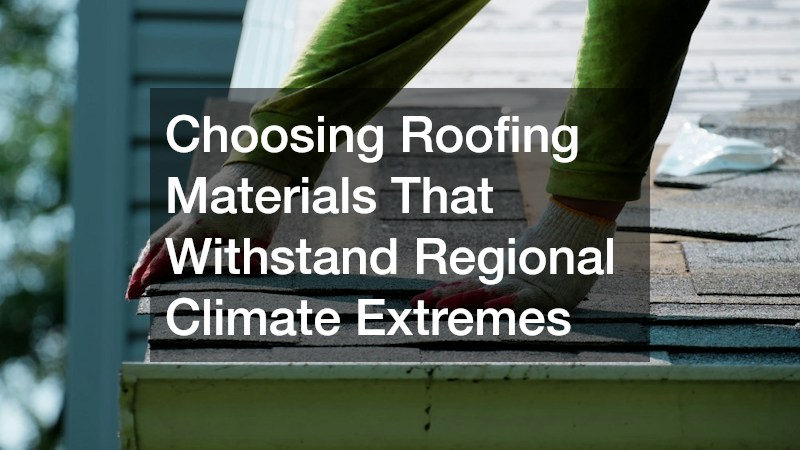
Your roof is the single largest barrier between your home and the elements, so its material choice matters more than almost any other decision you’ll make. In regions with heavy hail or wind, impact-resistant asphalt shingles rated Class 4 or standing seam metal roofing hold up far better than basic three-tab shingles, which can crack or blow off in sustained winds above 60-70 mph. Metal roofing systems with concealed fasteners offer an added edge in hurricane-prone areas, since they resist the uplift that tears away exposed-fastener panels. Homes in wildfire-prone areas benefit from Class A fire-rated materials like clay tile, concrete, or slate, all of which won’t ignite from wind-blown embers the way wood shakes can. Metal roofing is another strong option here, particularly when paired with a fire-resistant underlayment and ember-blocking vents at the roofline. Homeowners in these zones should also consider how the roof’s edges and valleys are detailed, since embers often collect in these gaps regardless of the primary material. Humid climates need roofing that resists algae growth and moisture retention, which rules out untreated wood shingles and favors algae-resistant asphalt shingles with copper or zinc granules, or metal roofing that sheds water quickly. In these areas, proper attic ventilation matters almost as much as the material itself, since trapped moisture beneath the surface can rot decking and void warranties long before the visible roofing wears out. Homeowners in freeze-thaw climates should additionally weigh a material’s flexibility, since rigid tiles can crack under repeated expansion and contraction that metal or asphalt handle more gracefully.
Even the best materials eventually need attention, and delaying that attention is where homeowners get burned financially. A small missing shingle or cracked flashing left unaddressed after a storm can turn into a full interior leak within a single season. Water that finds its way past a compromised roofline doesn’t stay put—it travels along rafters, soaks insulation, and often shows up as a stain on a ceiling far from the original entry point. Scheduling prompt roof repair after severe weather events, rather than waiting until spring, often saves thousands in structural and insulation damage. A post-storm inspection typically costs a few hundred dollars, while replacing saturated insulation, warped decking, or mold-damaged drywall can easily climb past $5,000 depending on the extent of the intrusion. Homeowners in hail-prone regions should also check for granule loss on asphalt shingles, which signals thinning protection even when no leak is yet visible. Those in high-wind zones should look for lifted or curling edges, since wind often loosens shingles without fully detaching them, leaving a weak point that fails during the next storm. Insurance timelines matter too. Many policies require documented damage claims within a specific window—often 12 months—so photographing damage and scheduling repairs quickly isn’t just about protecting the house; it’s about protecting the claim that pays for it.
- Impact-resistant shingles (Class 4 rated) for hail-prone regions — can reduce insurance premiums by 10-30% in states like Texas and Oklahoma
- Standing seam metal roofing rated for 140+ mph winds in high-wind coastal areas, with concealed fasteners that resist uplift
- Clay or concrete tile for wildfire zones, paired with a Class A fire rating and noncombustible underlayment
- Reflective or “cool roof” coatings for extreme heat climates, lowering attic temperatures and cutting cooling costs by up to 15%
- Synthetic underlayment and proper attic ventilation to prevent moisture damage in humid or freeze-thaw climates
- Regular inspections after major storms, checking for cracked tiles, granule loss, or lifted seams before small issues become leaks
Building Outdoor Living Spaces That Survive Sun, Rain, and Snow
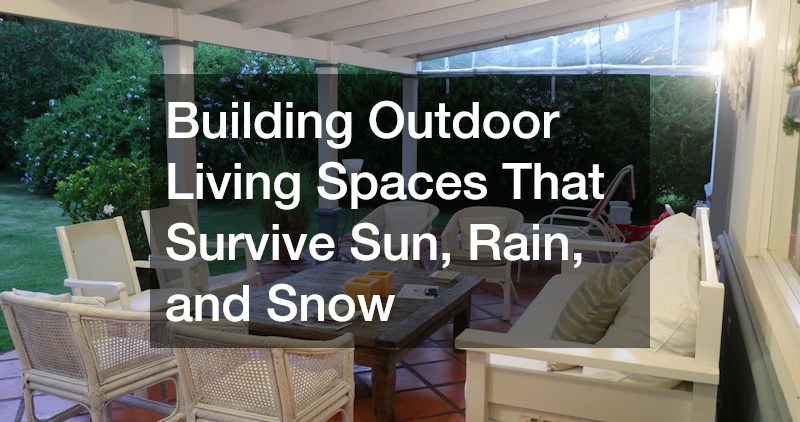
Outdoor decks take a beating from UV rays, freeze-thaw cycles, and standing water, so material selection has to go beyond looks. Composite decking resists rot and warping far better than untreated pine, making it a smart choice in wet or snowy climates. In areas with intense sun exposure, lighter-colored composite or hardwood options stay cooler underfoot and resist fading.
Working with experienced deck builders early in the planning process means you get guidance on proper drainage, spacing, and fastener choices suited to your specific climate. A poorly ventilated deck in a humid region can trap moisture underneath and accelerate rot within just a few years. Getting the foundation and material pairing right from the start avoids costly rebuilds down the road.
- Composite decking for wet or snowy climates
- Pressure-treated wood for budget-conscious dry regions
- Hardwood for high-UV, arid areas
- Proper joist spacing to prevent warping
- Drainage gaps to reduce moisture buildup
Selecting Storage Solutions That Handle Humidity and Temperature Swings
Entryways and mudrooms take on more environmental stress than most homeowners realize, absorbing melting snow, muddy boots, and humid summer air all year long. Solid wood cabinetry can swell or crack in humid climates, while MDF-based materials may soften if repeatedly exposed to moisture. Choosing moisture-resistant materials like marine-grade plywood or laminate finishes for Mudroom cabinets keeps them functional and attractive for years, even in unpredictable climates.
Ventilation also plays a bigger role than most people expect in this part of the house. A mudroom without airflow can trap dampness from wet coats and boots, encouraging mold growth behind cabinet panels. Adding vents or slatted cabinet backs allows moisture to escape rather than settle into the wood.
- Marine-grade plywood for high-humidity regions
- Laminate finishes for easy moisture wipe-down
- Slatted backs or vents for airflow
- Sealed edges to prevent water absorption
- Raised bases to avoid contact with wet flooring
Cooling System Materials and Components Suited to Hot Summers

Extreme summer heat pushes air conditioning systems to their limits, and the materials inside your unit matter just as much as the brand name on the box. Copper coils resist corrosion better than aluminum in humid, salty coastal air, extending the lifespan of the entire system. Insulation quality around ductwork also determines how much cool air actually reaches your living space instead of leaking into the attic.
Even well-built systems need timely intervention when extreme heat exposes weaknesses. Delaying AC repair during a heat wave often turns a minor refrigerant issue into a full compressor failure, since the system runs nonstop under stress. Scheduling seasonal checkups before peak summer arrives helps catch worn parts before they fail during the hottest days of the year.
- Copper coils for humid or coastal climates
- High-quality duct insulation to reduce energy loss
- Programmable thermostats to reduce strain
- Seasonal filter changes for efficiency
- Pre-summer inspections to catch early wear
Heating and Ventilation Choices That Hold Up Through Harsh Winters
Cold climates demand heating systems and materials built to handle sustained low temperatures without cracking or losing efficiency. Furnace heat exchangers made of stainless steel resist the metal fatigue that comes from constant expansion and contraction during freeze cycles. Properly insulated ductwork also prevents the heat loss that forces systems to work harder and wear out faster.
Winter is unforgiving to systems that aren’t properly maintained, and a breakdown during a deep freeze can quickly become a safety issue rather than just an inconvenience. Prompt HVAC repair before temperatures drop below freezing reduces the risk of frozen pipes and complete system shutdowns. Homeowners in colder regions should treat annual heating inspections as essential, not optional, maintenance.
- Stainless steel heat exchangers for freeze resistance
- Sealed ductwork to minimize heat loss
- Programmable zoning for efficient winter heating
- Backup heating sources for extreme cold snaps
- Annual inspections before winter arrives
Protecting Underground Systems From Heavy Rain and Ground Saturation
Extreme rainfall doesn’t just threaten your roof and gutters — it puts serious strain on what’s happening underground, particularly your septic system. Saturated soil reduces the ground’s ability to properly filter wastewater, which can cause backups or even system failure during unusually wet seasons. Homes in flood-prone or high-rainfall areas benefit from septic systems designed with additional drainage capacity and elevated components to handle seasonal saturation.
Regular maintenance becomes even more critical when extreme weather is a factor. Scheduling septic cleaning on a consistent schedule, rather than waiting for visible problems, helps prevent the kind of backup that heavy rain can trigger by overwhelming an already full tank. Being proactive here avoids one of the messiest and most expensive home repairs imaginable.
- Elevated components for flood-prone properties
- Additional drainage capacity in high-rainfall regions
- Routine tank pumping to avoid overflow
- Root barriers to prevent pipe intrusion
- Soil testing to confirm proper drainage function
Ensuring Safe Drinking Water Through Storms and Seasonal Shifts
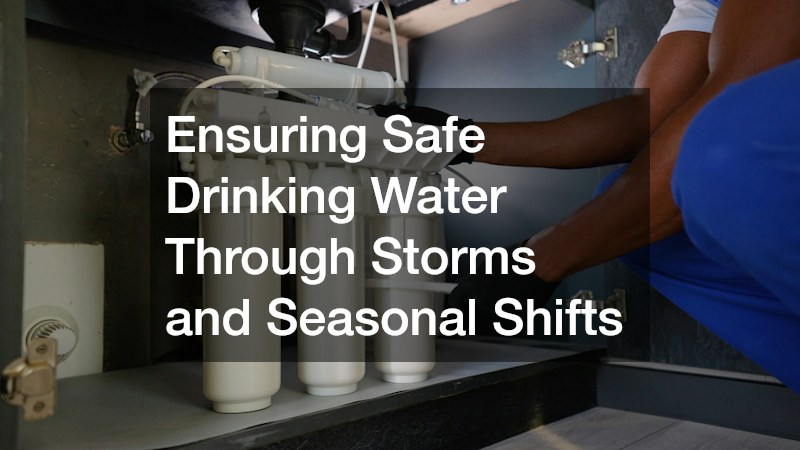 Extreme weather can compromise water quality in ways many homeowners don’t anticipate, from flooding that introduces contaminants to drought conditions that concentrate minerals and sediment. Heavy storms can overwhelm municipal water systems, leading to temporary contamination that filtration can catch before it reaches your glass. Homes relying on well water face even greater exposure, since flooding can introduce bacteria directly into the water table.
Choosing the right filtration setup requires understanding your specific regional risks rather than picking a generic system off the shelf. Working with a qualified water filtration system installer ensures your setup targets the actual contaminants common to your area, whether that’s agricultural runoff, sediment, or heavy metals. This kind of tailored approach protects your family’s health regardless of what the weather brings.
- Sediment filters for post-flood turbidity
- Carbon filtration for chemical runoff
- UV purification for bacterial contamination
- Reverse osmosis for mineral-heavy well water
- Regular filter replacement schedules
Working With Builders Who Design for Local Weather Patterns
The decisions that matter most often happen before construction even begins, during the design and material selection phase. A knowledgeable home builder understands regional building codes and weather patterns, incorporating features like reinforced roof trusses in high-wind zones or elevated foundations in flood-prone areas. This upfront planning prevents the kind of costly retrofits that come from ignoring local climate realities.
Material sourcing decisions during construction ripple through the entire lifespan of the home. Builders who prioritize climate-appropriate materials from day one, rather than defaulting to whatever is cheapest or most common nationally, set homeowners up for decades of lower maintenance costs. Asking detailed questions about weather-specific design choices during the planning phase pays off long after move-in day.
- Reinforced trusses for high-wind regions
- Elevated foundations for flood zones
- Climate-appropriate insulation choices
- Weather-resistant exterior materials
- Local code compliance for regional risks
Coordinating Custom Cabinetry Choices With Regional Climate Realities
Beyond the mudroom, kitchen and bathroom cabinetry throughout the house face their own climate-related challenges, especially in regions with extreme humidity or dry heat. Wood veneers can crack in arid climates where indoor air dries out significantly during winter heating season. A knowledgeable cabinet company can recommend engineered wood products or specific finishes designed to expand and contract without warping.
Kitchens near coastal areas face additional challenges from salt air, which can corrode hardware and cause premature finish deterioration. Selecting cabinets with sealed finishes and corrosion-resistant hardware extends their usable life significantly in these environments. Taking the time to match cabinetry materials to your specific climate pays dividends in reduced repairs and replacements over the years.
- Engineered wood for climates with humidity swings
- Sealed finishes for coastal salt air exposure
- Corrosion-resistant hardware near the ocean
- Moisture-stable materials for dry heating seasons
- Quality sealants to prevent warping and cracking
Weather-driven decisions aren’t about overspending on every material in your home — they’re about matching the right product to your specific regional risks before problems arise. Whether you’re planning a new build, renovating a mudroom, or scheduling seasonal maintenance, thinking through how sun, rain, cold, and humidity affect each material saves money and stress over time. Start by identifying the systems most exposed to your local climate extremes, then prioritize upgrades or maintenance there first. A little planning now means fewer emergency repairs and a home built to actually last.