
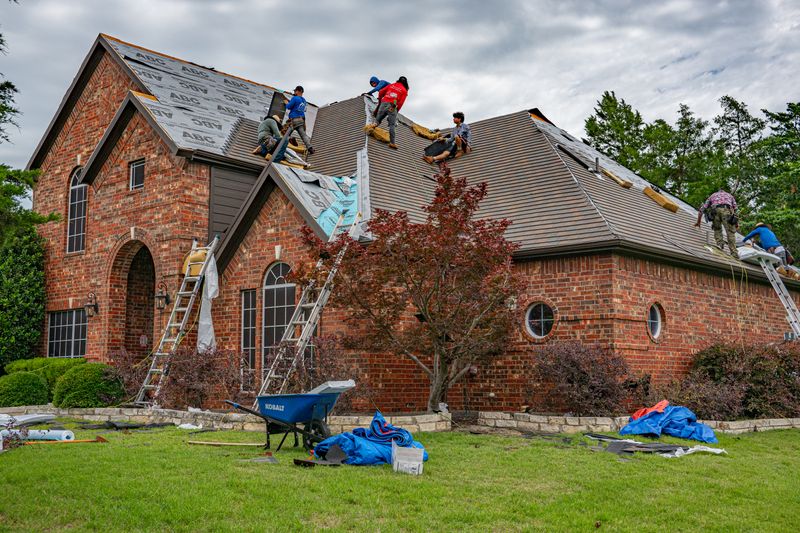
How Often Should a Roof Be Replaced: Material Lifespans Compared
Key Takeaways
- The material covering your home is the single biggest factor in determining how long it will last before needing to be swapped out
- Asphalt shingles dominate American homes but have one of the shorter service lives compared to premium options
- Metal, slate, and clay tile can outlast the homeowner, sometimes lasting a century or more under the right conditions
- Climate, ventilation, installation quality, and maintenance habits can shorten or extend a covering’s expected lifespan
- Visible warning signs like curling shingles, granule loss, sagging, and interior leaks often signal it is time to act
- Getting multiple estimates and asking the right questions helps you avoid overpaying or hiring an underqualified contractor
- Planning ahead for this expense is smarter than waiting for a failure during a storm
What Your Roof Actually Does for Your Home
Think of the covering on top of your house as a silent shield. It takes the beating from rain, hail, wind, snow, and sun so the inside of your home stays dry and comfortable. Most people never give it a second thought until water starts dripping onto the living room floor.
That shield is not made to last forever. Every material used to build it has a built-in expiration date, and that date depends on what the material is, where you live, and how well it was installed. A home in the dry Southwest will age differently than one on the rainy Pacific coast, even if both have the exact same shingles.
Before you can plan ahead, you need to understand the basics. What is actually up there? How long is it supposed to last? And how do you know when the end is near? This guide walks you through all of it in plain language, no contractor-speak required.
Why the Material on Top Matters So Much
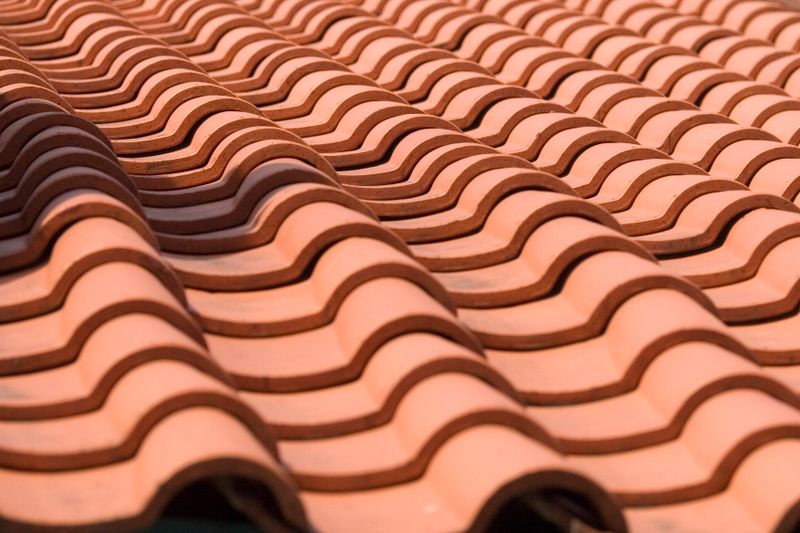
The stuff covering your home is the single biggest factor in how long it will perform. A cheap product installed on a hot, sun-blasted house might give you 15 years. A premium one on a shaded home in a mild climate could last a century. That is a huge spread, and it all comes down to what was nailed or clipped down during construction.
Cost and lifespan tend to move together. The cheaper the material, the more often you will be dealing with a replacement. Spending more upfront usually means fewer headaches later, though not every homeowner plans to stay long enough to see that payoff. According to the Asphalt Roofing Manufacturers Association, asphalt shingles cover roughly 80 percent of single-family houses in the United States, which tells you most Americans are working with one of the more affordable options.
Here are the most common materials you will encounter on residential homes:
- Asphalt shingles (three-tab and architectural)
- Metal panels or standing seam
- Clay or concrete tile
- Natural or synthetic slate
- Wood shakes and shingles
- Flat membranes like TPO or EPDM on low-slope sections
Each one behaves differently. Some crack in cold snaps. Some fade in strong sun. Some rust near the ocean. Knowing what you have is step one.
Breaking Down Lifespans by Material
This is where the real numbers come in. Lifespans are averages, not guarantees, but they give you a solid baseline for budgeting and planning. The figures below assume decent installation and reasonable maintenance.
Data from InterNACHI and NAHB revealed that three-tab asphalt lasts around 20 years, wood shakes about 30, metal 40 to 80, copper over 70, slate between 60 and 150, and clay or concrete tile upward of 100 years. That is a staggering range, and it explains why one neighbor replaces their covering every couple of decades while another never touches theirs.
How Asphalt Shingles Stack Up Against Each Other
Not all asphalt is created equal. The budget option, called three-tab, is a flat and uniform product that has been around for generations. Architectural shingles, sometimes called dimensional or laminated, are thicker and layered to look more like wood or slate. The price difference is noticeable, and so is the lifespan.
According to the International Association of Certified Home Inspectors, three-tab shingles typically run 15 to 20 years while architectural shingles stretch to 20 to 30 years. If you are deciding between the two during a roof replacement, the upgrade often pays for itself by delaying your next project by a decade.
What Shortens or Extends a Roof’s Life
Materials do not age in a vacuum. Two identical homes on the same street can end up with very different outcomes depending on a handful of variables. Understanding these helps you squeeze more years out of what you already have.
Attic ventilation is one of the most overlooked factors. When hot air gets trapped underneath, shingles bake from below and fail years earlier than they should. Proper airflow keeps temperatures balanced and extends the entire system’s life. Installation quality is equally critical. A cheap crew that skips underlayment, uses the wrong nails, or rushes flashing details can take a 30-year product and turn it into a 15-year problem.
Watch out for these common lifespan killers:
- Poor attic ventilation and trapped heat
- Missing or damaged flashing around chimneys and vents
- Overhanging tree branches dropping debris and shade
- Ice dams in cold climates
- Skipped annual inspections and minor repairs
- Walking on the surface unnecessarily
Climate matters too. Hail country chews through shingles faster. Coastal salt air corrodes metal fasteners. High UV exposure in southern states bleaches and brittles asphalt. Where you live sets the ceiling on what you can realistically expect.
How Often Should You Actually Plan to Replace It
This is the question every homeowner eventually asks: how often should a roof be replaced in real life, not just on paper? The honest answer is that it depends entirely on what you have up there and how it has been treated. For the average American home with architectural asphalt shingles, planning for a swap every 25 years is a reasonable starting point. If you have metal or tile, you may never do it in your lifetime.
A good rule of thumb is to start getting inspections every year or two once your covering hits the halfway point of its expected lifespan. Catching small issues early often means spot repairs instead of full tear-offs. When you do start shopping for a contractor, prepare a list of questions to ask roofers so you can compare bids fairly and spot red flags before signing anything.
Warning Signs the Clock Has Run Out
Age alone is not always the deciding factor. Sometimes a 15-year-old covering looks worse than a 25-year-old one simply due to storms or poor installation. Learn to spot the physical clues.
Keep an eye out for shingles that are curling at the edges, bald spots where granules have worn away, dark streaks of algae that will not scrub off, or sagging sections that suggest rotting decking underneath. Inside the home, water stains on ceilings, peeling paint near the attic, or daylight visible through roof boards all mean trouble. Any single one of these on its own might be fixable. Several appearing together usually means the end is near.
Budgeting and Planning Ahead

Nobody enjoys writing a five-figure check, but a planned expense is always easier to stomach than an emergency one. If you know your roof is approaching the end of its useful years, start setting money aside well before the first leak appears. Waiting until a storm forces your hand almost always costs more, both in the price you pay and in the water damage you end up repairing on top of it.
Get at least three written estimates from local contractors, and make sure each one is quoting the same scope of work. One bid that looks dramatically cheaper usually means something was left out, whether that is tearing off the old layers, upgrading the underlayment, or replacing damaged decking. Insurance can sometimes help if a storm caused the failure, so document everything with photos and keep records of past repairs.
Timing the Job for the Best Results
When you schedule the work matters more than most people realize. Late spring through early fall tends to be peak season, which means higher prices and longer waits. Booking in the shoulder months, if your climate allows, can sometimes save money and get you a crew that is not rushing between jobs.
Avoid scheduling during the dead of winter in cold regions. Shingles need warm temperatures to seal properly, and installing them below certain thresholds can compromise the entire system. A reputable contractor will tell you this upfront rather than take the job and hope for the best.
Conclusion
Every covering on every home is on a clock, and knowing what kind of clock you are dealing with changes everything about how you plan, budget, and maintain your property. Asphalt gives you a couple of decades if you are lucky, while metal, slate, and tile can push past the point where you ever need to think about it again. The material matters, but so does the climate, the installer, and the attention you pay to small issues before they balloon into big ones.
The homeowners who come out ahead are the ones who treat this as a long-term plan rather than a sudden emergency. Annual inspections once your roof hits middle age, honest conversations with qualified contractors, and a savings cushion set aside for the inevitable all add up to a smoother experience when the day finally arrives. Learn to read the warning signs, understand what you have over your head, and you will never be caught off guard.
Your home’s first line of defense deserves the same thoughtful care as any other major system in the house. Treat it that way, and it will return the favor by keeping you dry, comfortable, and free from the kind of surprise repair bills that ruin a weekend.