
Asphalt vs. Metal: Which Material Lasts Longer?
Choosing between asphalt shingles and metal panels is one of the biggest decisions you’ll face as a homeowner planning a roof upgrade. Both materials have loyal followings, strong track records, and real trade-offs when it comes to price, appearance, and longevity. But when the conversation turns to how long each one actually lasts, the differences become hard to ignore.
The truth is, picking the right material isn’t about chasing the flashiest option or the cheapest quote. It’s about matching your roof to your budget, your climate, and how long you plan to stay in your home. A roof that lasts 25 years is great if you’re selling in ten, but a roof that lasts 60 years might be the smarter investment if this is your forever home.
In this walkthrough, you’ll get a clear, step-by-step look at how asphalt and metal compare in terms of lifespan, maintenance, cost, and installation. By the end, you’ll know exactly how to weigh the factors that matter most for your situation.
Step 1: Understand What You’re Actually Comparing
Before you can pick a winner, you need to know what each material brings to the table. Asphalt shingles are the most common residential roofing choice in North America. They’re made from a fiberglass mat coated in asphalt and topped with ceramic granules. They’re affordable, widely available, and easy for almost any roofing contractor to install.
Metal roofing, on the other hand, comes in several forms, including standing seam panels, corrugated sheets, and metal shingles that mimic other materials. Common metals include steel, aluminum, copper, and zinc. Metal roofs are heavier on the upfront cost but tend to pay off over decades of low-maintenance service.
Here’s what to keep in mind when sizing up each option:
- Asphalt is easier to repair piece by piece
- Metal reflects heat and can lower cooling bills
- Asphalt comes in dozens of colors and textures
- Metal handles heavy snow and wind better in most cases
- Asphalt is usually cheaper to insure in hail-prone areas
- Metal is almost fully recyclable at the end of its life
Why the Material Choice Shapes Everything Else
The material you pick drives every downstream decision, from the underlayment and flashing you’ll need to the warranty terms your contractor offers. It even affects how long does a roof replacement take, since metal installation often requires more specialized crews and longer timelines than a standard shingle tear-off. Knowing this upfront helps you plan realistically instead of being surprised later.
Step 2: Compare the Real Lifespan Numbers
This is where the two materials show their biggest gap. Asphalt is the shorter-lived option, but it’s not short-lived in any absolute sense. According to SERVPRO, asphalt shingle roofs typically last 20 to 30 years for most homeowners, which is more than enough time for many families.
Metal plays in a completely different league. According to Englert Inc., metal roofs commonly last 40 to 70 years, and premium materials like copper and zinc can push past the 100-year mark. That’s potentially three generations of use from a single installation.
So what does this mean practically? If you install asphalt at age 35, you’ll likely be replacing it again in your 60s. Install metal at the same age, and you may never deal with another roof replacement in your lifetime. That shift in math changes how you should think about upfront spending.
Step 3: Weigh the Cost Difference Carefully
Longevity is only half the equation. The other half is what you’ll actually pay to put the material on your house. Asphalt wins decisively on initial price, which is why it dominates the market. Most homeowners can get a full shingle roof installed for a fraction of what metal would cost.
According to This Old House, asphalt shingles run around $7 per square foot while metal roofing averages $28 per square foot, making shingles roughly four times more affordable upfront. That’s a significant gap, especially on larger homes where every square foot adds up quickly.
But here’s the catch. If you divide the cost by the expected lifespan, the math gets closer. A metal roof that lasts 60 years at four times the price still costs less per year than an asphalt roof you replace twice. Your decision should factor in how long you plan to own the home and whether you value lower annual cost or lower cash out today.
Step 4: Think Through Maintenance and Installation Time
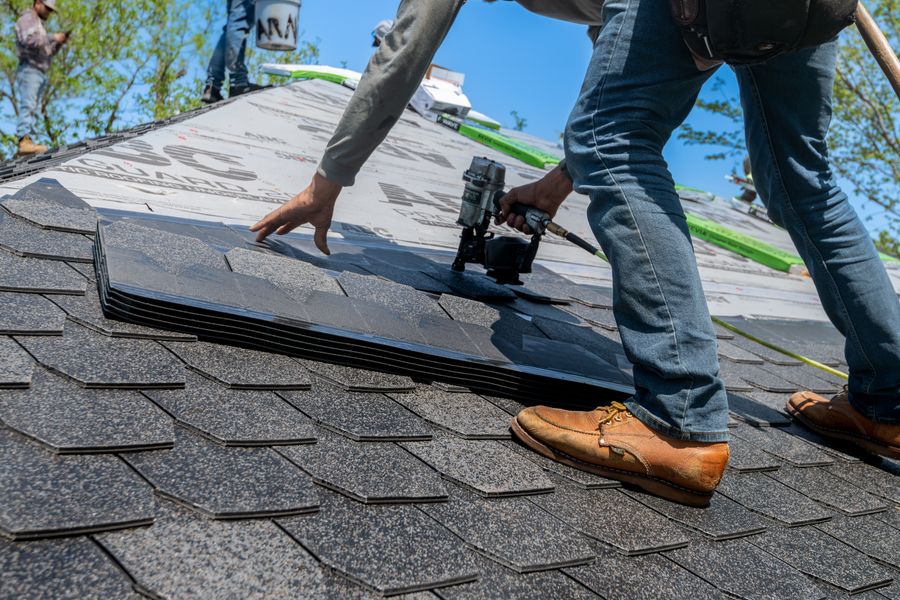
Maintenance habits differ between the two materials, and so does the installation window. Asphalt shingles need periodic inspection for cracked, curled, or missing pieces, especially after storms. Replacing a few damaged shingles is straightforward and inexpensive.
Metal roofs need less frequent attention, but when they do need work, it often involves resealing fasteners, touching up finishes, or addressing panel movement caused by thermal expansion. Finding a contractor who specializes in metal repair can also take more effort in some regions.
Installation speed is another real difference. According to Angi, a standard asphalt roof replacement usually wraps up in one to three days, which is fast enough to minimize disruption to your household. Metal installations typically take longer because panels must be custom-cut, flashed carefully, and fastened with precision.
Here are the maintenance realities to plan for:
- Asphalt: inspect annually and after major storms
- Asphalt: expect to replace granules-worn sections over time
- Metal: check fasteners and sealants every few years
- Metal: watch for scratches that could lead to rust on steel panels
- Both: keep gutters clean to avoid edge damage
- Both: trim overhanging branches that could scrape or puncture the surface
Step 5: Match the Material to Your Climate and Home
Your local weather should heavily influence your choice. Metal performs exceptionally well in snowy regions because snow slides off smooth panels rather than piling up. It also resists wildfire embers, which matters in dry, fire-prone areas. In coastal environments, aluminum or zinc stands up to salt air better than steel.
Asphalt is a solid all-rounder but struggles in extreme heat, where UV exposure accelerates granule loss and shortens lifespan. In hail-prone regions, impact-rated asphalt shingles can perform well, though metal typically dents while asphalt cracks, so the damage looks different even when the severity is similar.
How to Line Up Your Decision Factors
Take a few minutes to list your priorities in order. If staying in your home long-term and minimizing future hassle rank near the top, metal makes a strong case. If keeping upfront costs down and matching a traditional neighborhood look matter more, asphalt is a reasonable pick. A good Residential Roofing Materials Guide from a trusted contractor can help you weigh these trade-offs against your specific home and climate before you commit.
Step 6: Get Quotes, Ask the Right Questions, and Decide
Once you’ve narrowed your preference, it’s time to talk to contractors. Get at least three written quotes for the same scope of work so you can compare apples to apples. Ask each contractor about their experience with your chosen material, their warranty terms, and what underlayment and ventilation upgrades they recommend.
Don’t just chase the lowest number. A cheap quote often leaves out critical items like ice and water shield, ridge venting, or proper flashing around chimneys and skylights. If you’re planning the project in advance, reviewing a realistic budget and timeline planning for a roof replacement will help you avoid surprises once the crew arrives.
Before you sign, run through this short checklist:
- Confirm the contractor is licensed and insured in your state
- Verify the warranty covers both materials and workmanship
- Ask how the disposal of the old roof is handled
- Get a clear start date and estimated completion window
- Request references from recent jobs using the same material
- Review the payment schedule and avoid large upfront deposits
Conclusion
When you stack them side by side, metal clearly wins the lifespan contest. Asphalt tops out around three decades, while metal routinely doubles or triples that span. If your goal is to install a roof once and move on with life, metal is the longer-lasting choice by a wide margin.
That said, longer-lasting doesn’t automatically mean better for every homeowner. Asphalt’s lower upfront cost, faster installation, and easier repairs make it a smart, practical pick for millions of families. The right answer depends on your budget, how long you plan to stay, and what matters most to you about your home’s exterior.
Work through each step at your own pace, get solid quotes, and choose the material that fits your life rather than chasing the one with the biggest numbers on paper. A thoughtful decision now means decades of peace of mind over your head.