

Why Your Home’s Materials All Age on Different Timelines
Every home is really a collection of systems and materials that were installed at different times and built to different lifespans. A roof might last two decades while a water heater taps out in ten years, and a driveway might crack before either one needs attention. Understanding why these timelines vary can help you budget smarter, spot warning signs earlier, and avoid the shock of multiple big repairs landing in the same year. This guide breaks down the major components of a home and explains what actually drives their aging process.
Roofing Materials Wear Down at Their Own Pace
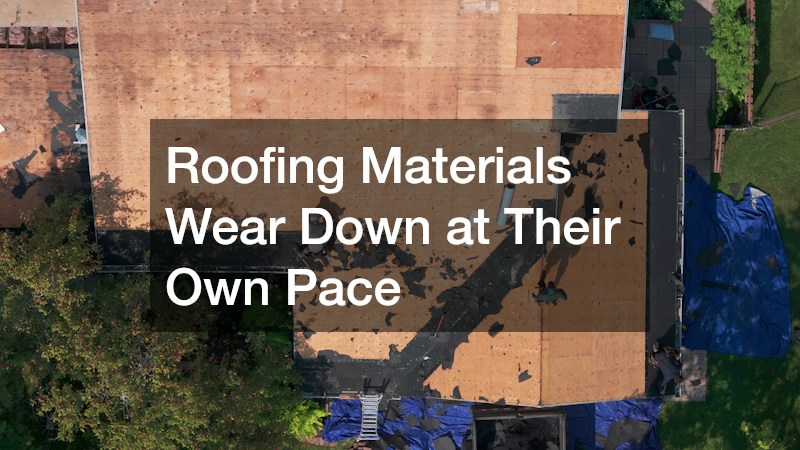 A roof takes on more punishment than almost any other part of the house, absorbing sun, wind, hail, and temperature swings every single day. Asphalt shingles typically last 15 to 25 years, while metal roofing can stretch past 40 years, and clay or concrete tile can last 50 years or more with proper maintenance. The difference comes down to material density, how well each surface reflects heat, and how each one handles repeated expansion and contraction as temperatures shift. Climate plays a bigger role than most homeowners realize. Asphalt shingles in hot, sun-heavy regions tend to dry out and crack faster, while the same shingles in a milder climate may hold up closer to their maximum lifespan. Metal roofing sheds snow and resists wind uplift well, making it a common choice in areas prone to harsh winters or storms. Because of this exposure, roofs tend to show aging signs gradually, through granule loss, curling edges, rust spots on metal fasteners, or small leaks that grow over time. Regular inspections, especially after major storms, can catch these early warning signs before they turn into structural damage or costly interior repairs.
Asphalt shingles typically last 15 to 25 years, while materials like metal or tile can stretch past 40 or 50 years with proper care. Yet even within a single roof, wear rarely happens evenly. South- and west-facing slopes take the brunt of UV exposure and tend to degrade faster than shaded sections, and areas around chimneys, vents, and skylights are especially prone to early failure. Many homeowners do not realize a roof is failing until water damage shows up inside the attic or ceiling. By then, the damage may extend to insulation, framing, or drywall. That is why periodic inspections matter, especially after severe storms, high winds, or heavy snow loads that can quietly loosen materials. Reputable roofing contractors can spot early wear that is invisible from the ground, such as flashing separation, soft decking, curling shingle edges, or granule loss in the gutters. They also know what to check seasonally: ice dam risk in winter, ventilation issues in summer, and debris buildup in fall. Catching these small warning signs early, rather than waiting for visible leaks, often means the difference between a minor repair and a costly emergency replacement.
HVAC Systems Have Shorter Working Lifespans

Heating and cooling equipment ages faster than most structural materials because it relies on moving mechanical parts, refrigerant cycles, and electrical components that wear out with use. Compressors cycle on and off thousands of times per season, fan motors accumulate bearing wear, and refrigerant lines are vulnerable to slow leaks that force the system to work harder than it should. None of this resembles the passive aging process of framing lumber or brick, which simply sit in place absorbing environmental stress. A well-maintained air conditioning system generally lasts 12 to 15 years, but that number drops quickly if filters are ignored or airflow is restricted. A clogged filter forces the blower motor to strain against increased resistance, which raises internal temperatures and shortens the life of electrical components. Homes in hot, humid climates often see AC units age faster still, since the compressor runs longer hours across more months of the year than it would in a milder region. Furnaces and heat pumps follow a similar pattern, aging based on run time rather than calendar years alone. A furnace that cycles constantly through a harsh winter accumulates more mechanical wear in a single season than one running in a temperate climate might see in two or three. Heat pumps face an added challenge because they operate year-round for both heating and cooling, effectively doubling their duty cycle compared to a system that only runs part of the year. Routine maintenance—annual tune-ups, coil cleaning, and timely refrigerant checks—can push equipment toward the upper end of its lifespan, while neglect can cut it short by five years or more. Unlike a roof or a foundation, HVAC equipment rarely fails gradually and gracefully; it tends to break down at the least convenient moment, usually during the first heat wave or cold snap that pushes it past its limit.
Most HVAC systems last 10 to 15 years, while furnaces can sometimes stretch to 20 with consistent maintenance. That’s a much shorter timeline than your roof or foundation, which is why homeowners often find themselves replacing mechanical systems two or three times over the life of a single house. Compressors, motors, and electrical components simply wear down faster than materials like brick or concrete. When an aging system starts struggling, it often shows up as inconsistent temperatures, strange noises, or rising energy bills before it fully breaks down. A unit that cycles on and off more frequently than usual, or one that leaves certain rooms noticeably warmer than others, is typically working harder than it should. Scheduling air conditioning repair at the first sign of trouble can extend the unit’s remaining life and prevent a small issue from turning into a full system failure. As a rule of thumb, if a repair costs more than half the price of a new system, or if the unit is already past the 10-year mark, replacement usually makes more financial sense than another fix. If repairs become too frequent, a professional installation may end up being the more cost-effective path forward. Homeowners who track their repair costs over a season or two often find this math makes the decision fairly obvious. Replacing an HVAC system is also a good moment to reconsider ductwork and insulation, since those factors affect how hard the new equipment has to work. Leaky ducts can waste 20 to 30 percent of conditioned air before it ever reaches your living space, forcing even a brand-new AC installation to work harder than it should. Addressing insulation gaps at the same time helps the new system perform closer to its rated efficiency for its entire expected lifespan.
Water Heaters Age Faster Than Most Plumbing
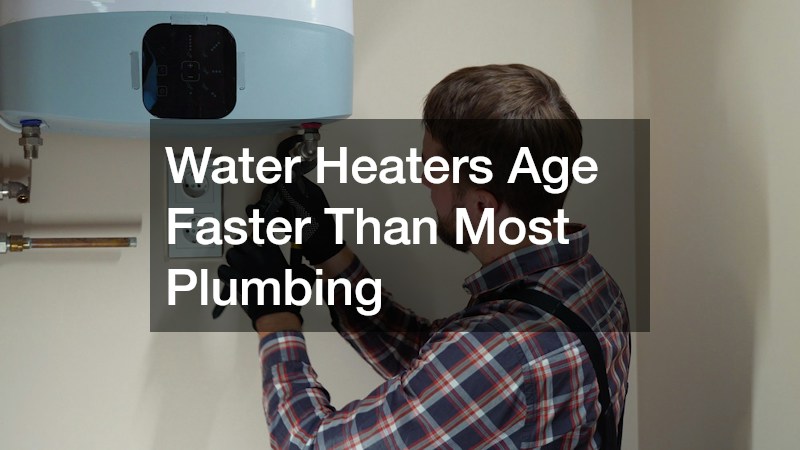
Traditional tank water heaters typically last 8 to 12 years, which is noticeably shorter than the pipes and fixtures around them. Sediment buildup inside the tank is usually the culprit, since minerals settle at the bottom and force the heating element to work harder over time. Tankless units last longer, often 15 to 20 years, but they still depend on regular descaling to avoid mineral scale damage.
Because water heaters fail quietly until they suddenly do not, homeowners are often caught off guard by a flooded utility closet or a lukewarm shower. Scheduling water heater repair as soon as you notice rusty water, popping sounds, or inconsistent temperatures can help you avoid a full replacement sooner than necessary. Flushing the tank annually is one of the simplest ways to slow down this aging process.
Garage Doors Show Wear Through Daily Use
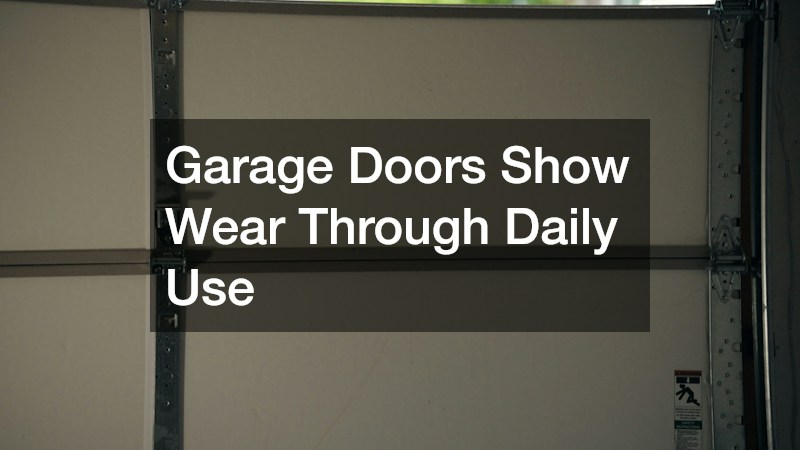
Garage doors age based on cycles, meaning how many times they open and close, rather than just the passage of time. A typical door and its opener system last around 15 to 20 years, but heavy daily use, extreme temperatures, or a lack of lubrication can shorten that window considerably. Springs and rollers tend to wear out well before the door panel itself, which is why garage doors often need component repairs long before full replacement.
Rust, sagging panels, and slow or noisy operation are all signs that the system is nearing the end of its useful life. When repairs start becoming frequent or the door no longer seals properly against weather, garage door replacement often becomes more cost effective than continuing to patch an aging system. Newer doors also tend to offer better insulation, which can noticeably improve comfort in an attached garage.
Outdoor Structures Age Differently Than the Home Itself
Elements like decks, porches, and patios are exposed to direct weather in ways that interior systems never experience, so they tend to age faster than the core structure of the house. Wood porches typically need refinishing every few years and structural attention within 15 to 20 years, depending on climate and maintenance. Composite and masonry alternatives last considerably longer but still require occasional cleaning and sealing to prevent moisture infiltration.
When a porch starts showing rot, uneven flooring, or railing instability, it is often more practical to rebuild than repair, especially if the framing has been compromised. Experienced front porch builders can evaluate whether the existing foundation is salvageable or whether a full rebuild will offer better long-term value. Choosing rot-resistant materials during a rebuild can significantly extend the next lifespan cycle.
Underground Plumbing Ages Out of Sight
Sewer lines and underground pipes age slower in terms of visible wear but can fail dramatically once tree roots, corrosion, or ground shifting take their toll. Clay and cast iron pipes, common in older homes, often last 50 to 60 years, while modern PVC piping can last upwards of 100 years under normal conditions. Because these systems are buried, most homeowners have no idea a problem is developing until slow drains or sewage odors appear.
Routine maintenance can meaningfully extend the life of these hidden systems. Scheduling sewer cleaning every couple of years helps prevent buildup and root intrusion from turning into a full blockage. Catching early warning signs like gurgling drains or recurring backups can save thousands compared to emergency excavation later.
Septic Systems Follow Their Own Maintenance Calendar
For homes not connected to municipal sewer lines, septic systems age based largely on how well they are maintained rather than how old the tank itself is. A properly cared for septic tank can last 20 to 40 years, but neglecting maintenance drastically shortens that timeline and increases the risk of a costly system failure. Solid waste accumulation is the main driver of aging here, since it gradually reduces the tank’s effective capacity.
Most professionals recommend septic tank pumping every three to five years, depending on household size and water usage. Skipping this maintenance step is one of the fastest ways to age an otherwise healthy system prematurely. Watching for slow drains, soggy patches in the yard, or sewage odors can help homeowners catch problems before they require full drain field replacement.
Pest Pressure Accelerates Wear on Outdoor Spaces
While not a building material itself, pest activity can indirectly age outdoor structures and landscaping faster than weather alone would. Ticks, in particular, thrive in tall grass, leaf litter, and wood piles near decks and porches, creating both a health risk and an incentive to let yard maintenance slide in avoided areas. When homeowners avoid parts of their yard due to pest concerns, those areas often deteriorate faster from neglect.
Consistent tick control not only protects the household from illness but also encourages regular use and upkeep of outdoor spaces that might otherwise be ignored. Keeping grass trimmed, brush cleared, and treated areas maintained supports the longevity of nearby structures like fences, porches, and garden beds. This connection between pest management and property upkeep is often overlooked but genuinely impacts how well outdoor areas age over time.
Structural Repairs Depend on Timely Professional Judgment
Roofs, siding, and other exterior materials often reach a tipping point where patch repairs no longer make financial sense compared to full replacement. Recognizing that threshold requires an experienced eye, since surface-level damage can sometimes hide more serious underlying issues. Waiting too long to make this call often means paying for temporary fixes that get absorbed into the cost of eventual replacement anyway.
Getting a second opinion is rarely a bad idea when facing a major decision like this. Skilled roofers can walk through the tradeoffs between repair and replacement, factoring in the material’s remaining lifespan, current condition, and how much longer a patch job might realistically hold up. This kind of honest assessment helps homeowners avoid both premature replacement and neglect that leads to bigger problems.
Recognizing that every material in your home ages on its own schedule is the first step toward avoiding costly surprises. Instead of waiting for something to fail completely, use these general timelines as a guide for scheduling inspections and setting aside maintenance budgets. A little proactive attention to roofs, HVAC systems, plumbing, and outdoor structures now can prevent multiple expensive repairs from colliding at once later. Start by identifying which system in your home is closest to the end of its expected lifespan, and take that as your cue to plan ahead.