How Roofers Determine Between Simple Repair and Full Replacement
Deciding whether to perform a localized repair or execute a complete roof replacement requires a structured evaluation by professional roofing contractors. In regions like Mequon, WI, where severe freeze-thaw cycles, heavy snowfall, and summer humidity accelerate material degradation, roofers must weigh physical damage against structural integrity, material lifespan, and long-term cost-efficiency. Understanding the diagnostic criteria used by professional roofers helps property owners make informed investments in their roofing assets.
Core Diagnostic Factors in the Repair vs. Replace Evaluation
Professional roofers rely on a combination of visual inspections, physical testing, and historical data to determine the appropriate scope of work:
-
Extent and Distribution of Damage: Localized issues—such as a few wind-damaged shingles, isolated flashing failures around a chimney, or minor puncturing from fallen branches—are ideal candidates for simple repairs. Conversely, widespread damage exceeding 30% of the total roof surface generally triggers a recommendation for a full replacement.
-
Material Age and Expected Lifespan: Standard 3-tab asphalt shingles typically last 15 to 20 years, architectural shingles last 25 to 30 years, while metal and slate systems can exceed 50 years. If a roof is nearing or past 75% of its engineered lifespan, repairing isolated leaks often yields diminishing returns as adjacent shingles become brittle and prone to failure.
-
Underlying Decking Integrity: Moisture intrusion that rots the underlying plywood or OSB sheathing severely undermines structural stability. If widespread soft spots, sagging rooflines, or mold accumulation are detected in the attic, a complete tear-off is necessary to replace damaged decking.
-
Layer Count and Code Compliance: Building codes in many municipalities, including Mequon, prohibit installing more than two layers of asphalt shingle roofing. If a damaged roof already has two layers installed, localized patching is often impractical, requiring a full tear-off to meet local building standards.
Environmental and Climate Impacts on Roofing Decision-Making
Coastal and Midwestern weather patterns create specific failure points that roofers in Mequon, WI evaluate during inspections:
-
Ice Damming and Freeze-Thaw Stress: Winter temperatures cause water from melting snow to freeze at the eaves, forcing ice upward under shingles. Roofers check for water staining along exterior walls and soffits, which indicates sub-surface membrane failure requiring comprehensive underlayment replacement.
-
Granule Loss and Thermal Shock: Extreme summer heat combined with UV exposure causes asphalt shingles to lose their protective mineral granules. Roofers inspect gutters and downspouts for heavy granule accumulation; significant granule loss leaves the asphalt substrate exposed to rapid weather degradation, favoring replacement over repair.
-
Thermal Expansion and Contraction: Constant temperature swings cause metal fasteners, flashing seals, and asphalt materials to expand and contract, expanding hairline cracks into major leaks over time.
Material Characteristics and Economic Thresholds
Different roofing materials present distinct repair limitations and financial tradeoffs:
-
Asphalt Shingles: Highly repairable when young, but aging shingles lose flexibility. Attempting to lift and nail down aged, brittle asphalt shingles during a repair often damages adjacent tiles, making replacement the more practical choice.
-
Metal and Standing Seam Systems: Exceptionally durable and wind-resistant. Isolated seam leaks or loose fasteners can usually be repaired with specialized sealants and hardware without replacing entire metal panels.
-
Slate and Cedar Shake: Premium materials that require specialized labor. Individual broken slate tiles or split cedar shakes can be replaced independently, preserving the broader roof system as long as the underlying underlayment remains sound.
Advanced Inspection Methodologies Used by Contractors
Modern roofing assessments leverage both traditional craftsmanship and advanced diagnostic technologies:
-
Thermal Imaging and Infrared Scans: Infrared cameras detect temperature differentials across the roof surface, allowing technicians to map hidden moisture trapped beneath the shingles or within insulation layers without destructive testing.
-
Drone Aerial Surveys: High-resolution drone photography provides clear access to steep pitches, delicate slate tiles, or high-rise structures, identifying missing shingles, cracked boots, and flashing degradation safely and accurately.
-
Attic and Ventilation Audits: Roofers inspect the underside of the roof deck from within the attic to evaluate intake and exhaust ventilation (soffit and ridge vents), checking for rust on nails, wood rot, or inadequate insulation that accelerates roof failure.
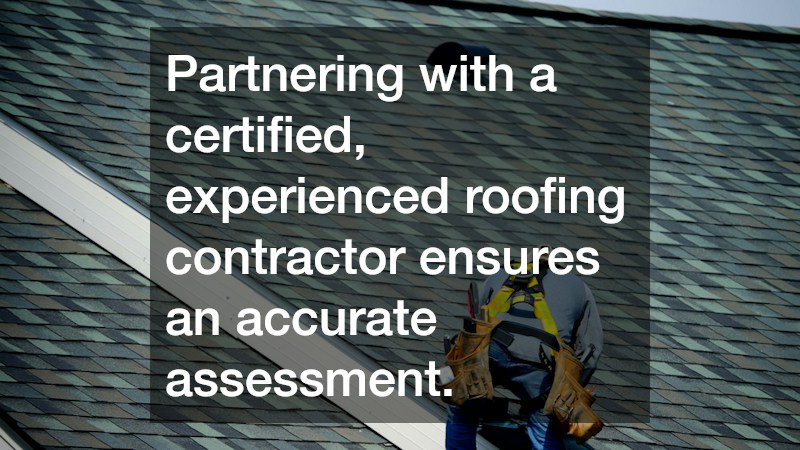
Evaluating whether a roof requires a simple repair or a full replacement involves analyzing structural damage, material age, local building codes, and long-term financial impact. While localized repairs offer a cost-effective short-term solution for young roofs with minor damage, aging roofs with widespread deterioration or structural deck rot require a full replacement to ensure building safety. Partnering with a certified, experienced roofing contractor ensures an accurate assessment tailored to regional weather demands and property goals. Consulting with a local professional guarantees that your home remains fully protected against environmental elements year-round.