
Roof Warning Signs: Catch Problems Before They Grow
A small roof leak or a few missing shingles rarely stay small for long. Left unchecked, minor issues can quietly escalate into structural damage, mold growth, and repair bills that run into the thousands. The good news is that roofs almost always give warning signs before a full failure occurs. Learning to recognize these clues early can save you money, protect your home’s value, and give you time to plan rather than react in a panic.
Water Stains and Ceiling Discoloration Inside Your Home
One of the earliest and most reliable indicators of a roofing problem shows up not on the roof itself, but on your ceilings and walls. Brown, yellow, or copper-colored rings on drywall usually mean water has been seeping through the roofing system for some time. These stains often appear far from the actual leak point because water travels along rafters and insulation before dripping down.
If you notice these marks, do not wait for a rainstorm to confirm the problem. Scheduling roofing repair as soon as staining appears can prevent the moisture from reaching electrical wiring or wood framing. A professional can trace the leak back to its source and address it before it spreads further.
- Check ceilings in upper-floor rooms and closets, which are often overlooked
- Look for peeling paint or bubbling drywall near light fixtures
- Note any musty odors, which can indicate hidden moisture
- Inspect attic insulation for damp or matted patches
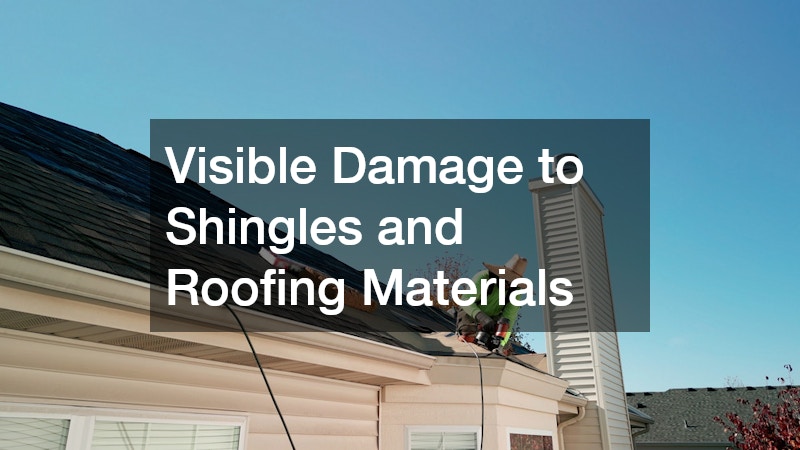
Visible Damage to Shingles and Roofing Materials
A walk around your property with binoculars can reveal a surprising amount about your roof’s condition. Curling, cracking, or blistering shingles are signs that the material is aging or was affected by poor original roofing installations. Missing shingles or exposed nail heads leave the underlying layers vulnerable to wind-driven rain.
Discoloration in patches, especially dark streaks or bald spots where granules have worn away, also signals wear that should not be ignored. These issues tend to worsen quickly once the protective outer layer is compromised.
- Curling or cupping shingle edges
- Cracked or split shingles after storms
- Bare patches missing granule coverage
- Shingles that appear loose or lifted at the corners
A Sagging or Uneven Roofline
Stand back from your house and look at the roofline from the street. It should appear straight and even, without dips, waves, or sagging sections. A sagging roof deck often points to structural issues, such as weakened rafters, trapped moisture, or excessive weight from old layers of shingles.
This is not a cosmetic issue that can wait. A visibly sagging roof may be nearing the point where roof replacement becomes the safest and most cost-effective option, rather than continuing to patch a failing structure. Catching this early prevents a small structural weakness from becoming a collapse risk.
- Look for dips near the ridge or valleys
- Check for uneven shadows along the roofline at sunset
- Inspect the attic for sagging rafters or sheathing
- Note any doors or windows that suddenly stick, which can indicate frame shifting

Granules Collecting in Gutters and Downspouts
Asphalt shingles are coated with granules that protect them from UV rays and weather. As shingles age, these granules naturally loosen and wash into the gutter system, especially after heavy rain. Finding a small handful occasionally is normal, but large accumulations suggest your roof is deteriorating faster than expected.
This is a good time to get an honest read on your roof’s remaining lifespan. Many homeowners request a roof estimate at this stage simply to understand their options and timeline, even if they are not ready to commit to work right away. Knowing the numbers in advance helps you budget rather than being caught off guard.
- Check gutters after storms for granule buildup
- Compare granule loss year over year
- Look for shiny or bald patches on the shingle surface
- Keep a written record of when granule loss becomes noticeable
Poor Attic Ventilation and Trapped Moisture
Many roofing problems actually start in the attic rather than on the exterior surface. Poor ventilation traps heat and humidity, which can warp roof decking, encourage mold growth, and shorten the life of shingles from underneath. Homeowners often notice condensation on nails, damp insulation, or a warm, stuffy attic even in cooler months.
Addressing ventilation issues sometimes requires more than airflow adjustments. In cases where moisture has already breached the roofing membrane, bringing in a waterproofing contractor can help seal vulnerable areas and prevent water from migrating into the living space below. This step is especially important for flat or low-slope roofs, which are more prone to pooling water.
- Check for frost or condensation on the underside of the roof deck in winter
- Look for dark mold spots on rafters or insulation
- Monitor attic temperature compared to outdoor temperature
- Ensure soffit and ridge vents are not blocked by insulation or debris

Rust, Fastener Issues, and Panel Movement on Metal Roofs
Metal roofing is known for durability, but it is not maintenance-free, and it develops its own set of warning signs. Rust spots, especially around exposed fasteners or cut edges, indicate that the protective coating has worn away and moisture is reaching the metal underneath. Loose or popped screws can also allow panels to shift slightly during high winds, creating gaps where water can enter.
If you notice widespread rust, oxidation, or panels that seem to be lifting, it is worth having the roof evaluated by metal roofing contractors who understand the specific fastening systems and coatings used in your roof’s construction. In some cases, isolated repairs are enough, but extensive corrosion may mean it is time to start planning for a new metal roof rather than continuing to patch an aging system.
- Rust streaks running down panel seams
- Fasteners backing out or spinning freely
- Panels that flutter or make noise in wind
- Chalking or fading of the protective coating
Storm Damage That Is Easy to Miss
After a significant storm, most homeowners check for obvious problems like fallen branches or broken windows, but roof damage can be far more subtle. Hail as small as one inch in diameter can bruise shingles without immediately breaking them, compressing the mat beneath the surface and creating soft spots that weaken over time. These bruises often aren’t visible from the ground, but they can lead to leaks that appear weeks or months later, long after the storm is forgotten.
Wind is just as deceptive. Gusts as low as 50 miles per hour can lift shingles just enough to break their adhesive seal without tearing them off completely, leaving them looking intact from a distance. Once that seal is broken, wind-driven rain can work its way underneath during the next storm. A sudden increase in granules collecting in gutters or downspouts is often the only visible clue that this kind of damage has occurred.
After a major storm, some of the most damaging problems are also the least visible from the ground. Hail can bruise shingles without cracking them outright, high winds can lift shingle edges just enough to break the seal, and flashing around chimneys or vents can shift out of place without falling off entirely. None of these issues cause an immediate leak, but each one creates a weak point that worsens with every subsequent rainstorm.
If you suspect storm damage but do not see an active leak, it is still worth scheduling a professional inspection rather than assuming everything is fine. A trained eye can spot granule loss in the gutters, soft spots in the decking, or bruised shingles that a homeowner might easily overlook. Catching these signs early often costs far less than waiting until they turn into a full leak.
In situations where water is already entering the home, contacting an emergency roofing contractor quickly can limit interior damage and prevent the situation from worsening overnight, especially during heavy rain or freezing temperatures. Acting fast after a storm often makes the difference between a minor repair and a major renovation.
- Soft or spongy spots when walking on the roof, often signaling water-saturated decking beneath the shingles
- Bruised or dented shingles from hail, which look like dark, circular marks and can knock granules loose, exposing the asphalt layer underneath
- Dislodged flashing around chimneys, skylights, or vents, even a small gap of an inch or two can let wind-driven rain seep into the roof deck
- Cracked or curling shingle edges near roof valleys, a sign that wind uplift has loosened the seal
- Debris accumulation in valleys, such as leaves, twigs, or granules, that traps moisture and accelerates rot in the decking below
- Rust streaks or discoloration around metal flashing and fasteners, indicating prolonged moisture exposure that may not be visible from the ground
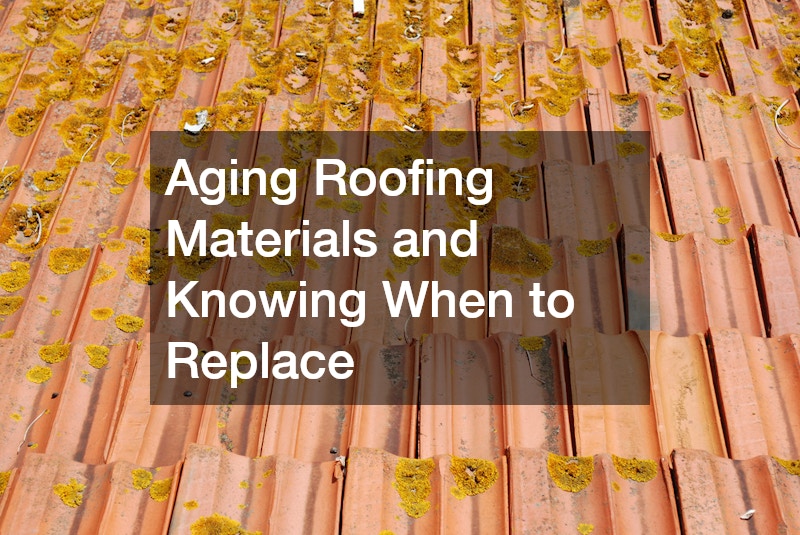
Aging Roofing Materials and Knowing When to Replace
Every roofing material has an expected lifespan, and knowing where your roof falls in that timeline helps you anticipate problems before they become emergencies. Asphalt shingles typically last 15 to 25 years, while metal and tile options can last considerably longer with proper care. If your roof is approaching or has exceeded its expected lifespan, minor issues are more likely to be signs of broader deterioration rather than isolated problems.
Rather than waiting for a major failure, many homeowners choose to have their roof assessed proactively once it reaches this age range. This is another point where reputable roofing companies can provide a realistic picture of whether continued repairs make sense or whether replacement will save money over the long run. Planning ahead also gives you more control over timing and budget rather than making decisions under pressure.
- Track the installation date and material type of your current roof
- Compare current repair costs to the value of a full replacement
- Ask about warranty coverage remaining on your existing materials
- Consider energy efficiency improvements available with newer materials
Getting a Professional Opinion Before Small Issues Grow
Even attentive homeowners can miss signs that a trained eye catches immediately, which is why periodic professional inspections are worth the investment. Experienced residential roofers know which areas of a roof fail first and can spot early wear in flashing, valleys, and seams that are easy to overlook from the ground. They also carry the tools and safety equipment to check spots most homeowners would never risk climbing to, like steep dormers or high ridgelines.
A thorough inspection typically takes less than an hour but can add years to your roof’s usable life. Most inspectors will check attic ventilation, look for soft spots in the decking, examine granule loss on shingles, and test the seal around vent pipes and chimneys. Many roofing companies offer this service for free or a nominal fee, especially if you’ve had recent storm activity in your area.
As a general rule of thumb, plan on a professional inspection once a year, and always after a major hailstorm or windstorm. Catching a small flashing leak or a cracked seal early on might cost a couple hundred dollars to fix, compared to the thousands you could spend repairing water damage, mold remediation, or a full roof replacement if the problem is left unchecked.
Many companies offer free or low-cost inspections as a starting point, typically running $75 to $200 if a fee applies, and these visits usually include a written report with photos of problem areas like flashing, vents, and shingle wear. This documentation gives you a dated, professional record of your roof’s condition to reference later, rather than relying on memory or guesswork.
That paperwork becomes especially valuable if you ever need to file an insurance claim after a hailstorm or high winds, since adjusters often want proof of the roof’s pre-damage condition. Without it, you may end up in a dispute over whether an issue was storm-related or pre-existing.
Building a relationship with a trusted inspector now, before anything goes wrong, means you already have someone familiar with your roof’s history to call when a real problem does arise. Many inspectors will also recommend a follow-up schedule, often annually or after major storms, so small issues get caught before they turn into costly repairs.
- Schedule an inspection at least once a year, ideally in spring or fall, and add a checkup after major storms, hail, or high winds
- Ask for photos or written notes documenting any issues found, including close-ups of flashing, shingles, and vents
- Request a clear explanation of urgency levels for any problems identified — such as “monitor,” “repair within 6 months,” or “urgent”
- Get a rough cost estimate and repair timeline for each flagged issue so you can budget and plan ahead
- Keep inspection records with your home maintenance file for future reference, along with photos and contractor contact details
- Compare notes across multiple years to catch patterns, like a recurring leak spot or worsening wear in the same area
Catching roofing problems early rarely requires special expertise, just consistent attention and a willingness to act on what you observe. Regular visual checks, prompt attention to stains or damage, and periodic professional inspections can extend your roof’s life significantly and protect the rest of your home from water damage. The next time you notice something unusual, whether it is a stain on the ceiling or granules in the gutter, treat it as useful information rather than something to put off. Addressing small signs now is always easier, and cheaper, than dealing with a major roofing failure later.