
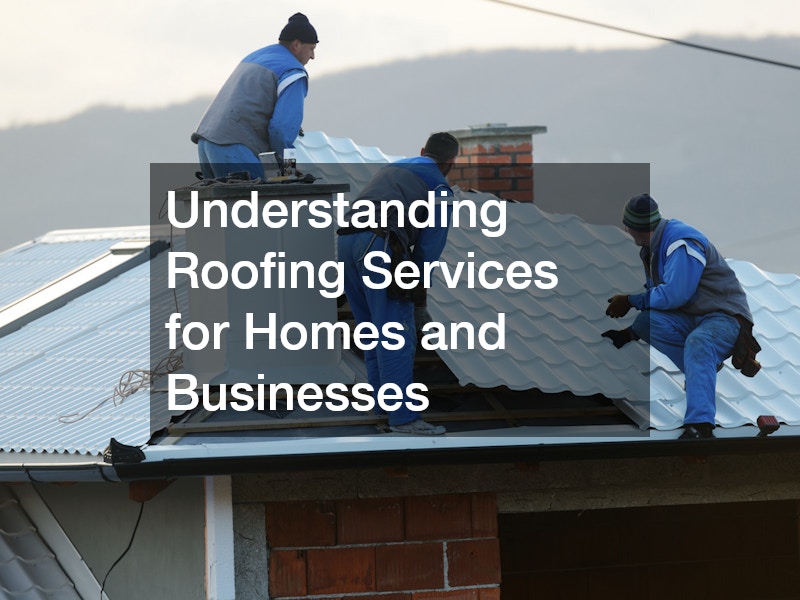
Understanding Roofing Services for Homes and Businesses
A roof does far more than sit atop a structure. It protects everything beneath it, from your belongings to the structural integrity of the building itself. Whether you own a home or manage a commercial property, your roof is one of the most important systems to maintain. Yet, many property owners only think about it when something goes wrong.
The truth is, roofing is not a one-time project. It is an ongoing investment that requires attention, planning, and the right professional support. Small issues can quickly turn into costly repairs if ignored, while proactive care can extend your roof’s lifespan and save money over time.
Understanding the different roofing services available helps you make informed decisions. It allows you to plan, choose the right solutions, and avoid unnecessary stress. From inspections and repairs to full replacements and gutter maintenance, each service plays a role in protecting your property.
This guide breaks down the key roofing services that homeowners and business owners should understand, along with practical tips for making the most of them.
Start with a Thorough Evaluation Before Any Work Begins
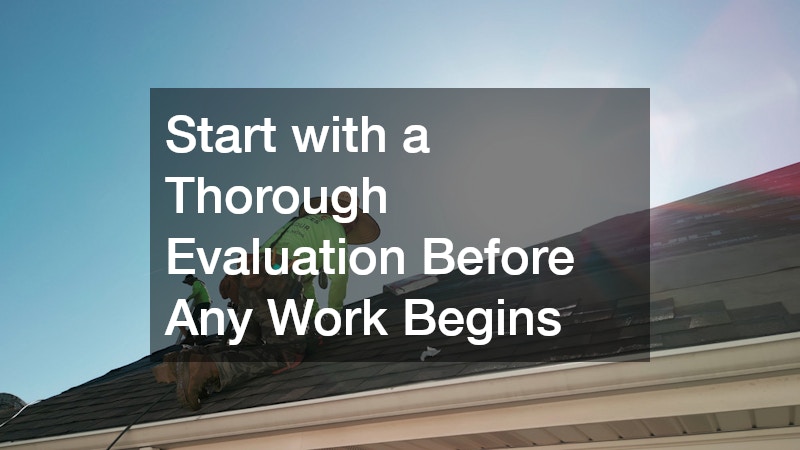
Before making any decisions about repairs or upgrades, it’s important to understand your roof’s current condition. Taking the time to inspect for any signs of wear and tear, such as missing shingles, leaks, or damage from weather events, can give you valuable insight into what needs attention. Additionally, consider the age of your roof and the materials used, as these factors will affect its longevity and effectiveness. Consulting with a roofing professional can provide further guidance, helping you determine whether simple repairs will suffice or if a full replacement is more appropriate. By thoroughly assessing these factors, you can ensure you make informed, cost-effective decisions that will protect your home for years to come.
Know the Right Time to Get Your Roof Checked
Timing plays a big role in preventing damage. Scheduling a roof inspection after severe weather or at least once a year helps catch problems early. Even if everything appears fine from the ground, hidden issues can develop over time.
Watch for signs such as:
- Missing or damaged materials
- Water stains on ceilings or walls
- Debris buildup or drainage issues
Understand What a Professional Assessment Covers
A professional inspection goes beyond a quick visual check. It includes evaluating the structure, materials, and overall performance of your roofing system. This process helps identify both visible and hidden concerns.
Use Estimates to Plan, Not Just Compare Prices
A detailed local roof estimate should outline the scope of work, materials needed, and expected costs. Instead of choosing the lowest price, focus on the completeness and clarity of the estimate.
Planning with accurate information allows you to budget effectively and avoid surprises.
Choose the Right Roofing Professional for Your Needs
The quality of your roofing work depends heavily on the professionals you hire. When selecting a roofing contractor, it’s crucial to do your research and ensure they have a solid reputation in the industry. Look for reviews and testimonials from previous clients to gauge their quality and reliability.
An experienced roofing professional will not only provide expert installation or repairs but also ensure compliance with local building codes and safety regulations. Additionally, they can offer valuable advice on materials and techniques that will best suit your specific needs, whether it’s for durability, energy efficiency, or aesthetics.
Furthermore, proper roofing work isn’t just about the immediate task at hand; it also plays a vital role in your home’s long-term health. A well-installed roof can prevent leaks and water damage, improve insulation, and even enhance your property’s overall value. Hence, investing in qualified professionals is essential for ensuring that your roofing project is completed successfully and stands the test of time.
Know the Difference Between General and Specialized Contractors
Not all contractors offer the same level of expertise. Some focus on residential work, while others specialize in larger or more complex projects. Local roofers often understand regional conditions and can recommend solutions that work best for your area.
Evaluate Credentials and Reputation Carefully
When considering potential contractors for your roofing project, it’s essential to conduct thorough research. Start by ensuring that the contractors have proper licensing and insurance, as this protects both you and the workers during the project. Look for verified customer reviews to gain insights into their past performance and reliability.
Communication is key; a reputable contractor should demonstrate clear communication and professionalism from the very beginning. They should be transparent about their processes, detailing what to expect at each stage of the project. Additionally, they should be eager to answer any questions you may have, providing you with peace of mind as you make important decisions regarding your home. Taking these steps will help you choose a contractor who is not only skilled but also trustworthy and easy to work with.
Build a Long-Term Relationship Instead of One-Time Use
Working with the same contractor over time can lead to better results. They become familiar with your roof and can provide more consistent care. This relationship helps ensure that your roof receives the attention it needs at every stage.
Understand When Repair Is Enough and When Replacement Is Necessary
One of the most common questions property owners face is whether to repair or replace their roof. This decision can be challenging, as it involves assessing the roof’s age and condition, the extent of the damage, and the potential long-term implications.
When considering a repair, it’s essential to pinpoint the specific issues—such as leaks, missing shingles, or water damage—and evaluate whether they are localized or indicative of more significant underlying problems. If the roof is relatively new and the damage is confined to a small area, a repair might be the most economical choice.
On the other hand, if the roof is old, showing signs of wear and deterioration, or if the damage is extensive, replacement may be the better route. A new roof not only improves the property’s aesthetic appeal but can also enhance energy efficiency and provide peace of mind regarding long-term durability.
Ultimately, property owners should consider their budget, the local climate, and the types of roofing materials available when making this decision. Consulting with a roofing professional can also provide valuable insights to guide decision-making.
Recognize Signs Your Roof Can Be Repaired
In many cases, repairs are sufficient. Minor leaks, isolated damage, or small areas of wear can often be addressed without replacing the entire roof.
Prompt repairs help:
- Prevent further damage
- Extend the life of the roof
- Reduce overall costs
Identify When Replacement Is the Smarter Investment
There are times when a local roof replacement is the better option. This is especially true if the roof is nearing the end of its lifespan or has widespread damage.
Indicators include:
- Frequent repairs
- Significant material deterioration
- Structural concerns
Explore Material Options Based on Longevity and Performance
When replacing a roof, choosing the right material is essential. A local metal roof replacement can offer durability, energy efficiency, and long-term value compared to traditional materials. Understanding your options helps you make a decision that aligns with your needs and budget.
Keep Gutters Functioning to Protect Your Entire Roof System
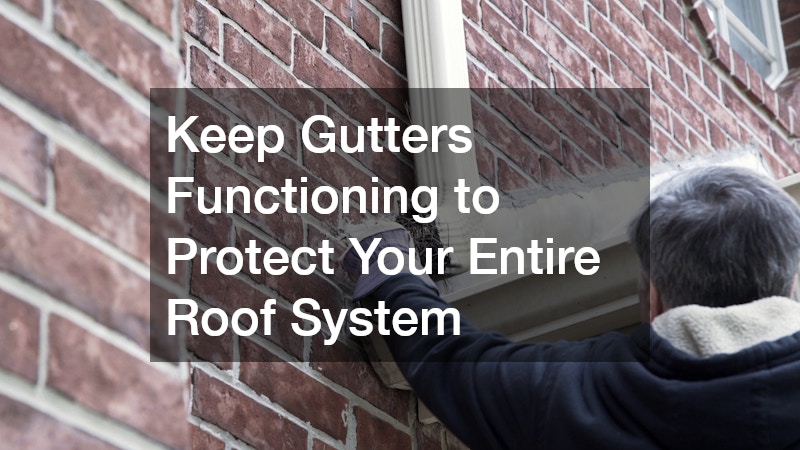
Gutters play a critical role in directing water away from your property.
Understand the Role Gutters Play in Roof Health
Without proper drainage, water can accumulate and cause damage to both the roof and the structure below. Gutters help prevent leaks, erosion, and foundation damage.
Schedule Regular Cleaning and Maintenance
Routine maintenance is essential for keeping gutters clear and functional. A local gutter service can handle cleaning, inspections, and minor repairs.
Common signs of trouble include:
- Overflowing water during rain
- Sagging or detached sections
- Visible debris buildup
Work with Specialists for Repairs and Installation
When more significant issues arise, a gutter contractor can provide professional solutions. Proper installation and repair ensure that your system performs effectively.
Address Commercial Roofing Needs with the Right Expertise
Commercial properties have different roofing requirements than residential ones. For instance, commercial roofs often need to accommodate larger HVAC systems and may require more advanced drainage solutions due to their flat or low-slope design. The materials used for commercial roofing, such as TPO, EPDM, or PVC, are typically chosen for their durability and energy efficiency, as they must withstand harsher weather conditions and heavier foot traffic.
Commercial roofs may be subject to stricter building codes and regulations, which can influence the design and installation process. Proper maintenance is also crucial for commercial roofing systems to ensure longevity and prevent leaks or damage, as repairs can be significantly more complex and costly than those for residential roofs. Understanding these differences is essential for property owners and managers to make informed decisions regarding their roofing needs.
Understand How Commercial Roofing Differs from Residential
Commercial roofs often cover larger areas and use different materials, such as flat or low-slope systems. These designs require specialized knowledge and maintenance.
Know When to Prioritize Repairs vs Full Upgrades
Timely commercial roof repair is essential for preventing disruptions to business operations. Addressing issues early helps maintain safety and functionality.
Choose Experienced Professionals for Large-Scale Projects
Working with local commercial roofing companies ensures that professionals with the right experience handle your project. They understand the unique challenges of commercial systems and can deliver effective solutions.
Plan for Preventive Maintenance to Extend Roof Life
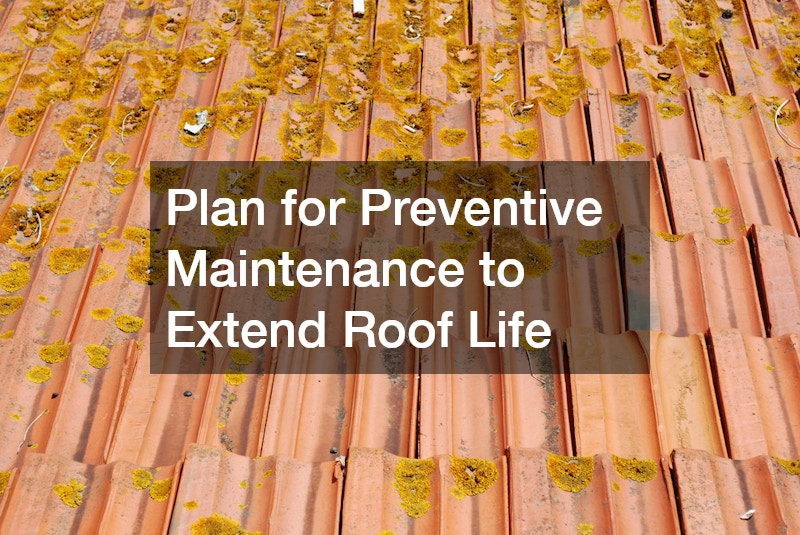
Preventive care is one of the most effective ways to protect your investment. By taking proactive measures, you can identify potential issues before they become major problems. Regular maintenance, health check-ups, and timely interventions can save you both time and money in the long run. This approach not only extends the lifespan of your assets but also enhances their overall performance and value. Whether it’s maintaining your health, your vehicle, or your home, investing in preventive care helps safeguard you against unexpected repairs and costly replacements. Ultimately, the small, consistent efforts of prevention can lead to significant benefits, providing peace of mind and improving your overall quality of life. Create a Routine Maintenance Schedule
Regular maintenance helps identify and address issues before they become major problems. This includes inspections, cleaning, and minor repairs.
Protect Against Weather-Related Damage
The weather can significantly impact your roof. Preparing for seasonal changes helps reduce the risk of damage.
Steps to consider:
- Securing loose materials
- Clearing debris
- Reinforcing vulnerable areas
Reduce Long-Term Costs Through Proactive Care
Investing in maintenance reduces the likelihood of expensive repairs or replacements. Over time, this approach saves money and extends the life of your roof.
Budget and Plan for Future Roofing Needs
Planning is key to managing roofing costs effectively. By establishing a clear timeline and budget, homeowners can avoid unexpected expenses that often arise from last-minute decisions. Researching roofing materials and contractors in advance allows for comparisons in pricing and quality, enabling better choices. Additionally, scheduling regular maintenance can prolong a roof’s lifespan and make future repairs less costly. It’s also wise to keep an emergency fund for unexpected repairs, ensuring that finances are in place should an urgent situation arise. Ultimately, taking these proactive steps can lead to significant savings and a more manageable roofing project.
Understand the Full Cost of Ownership
Owning a roof involves more than installation. Maintenance, repairs, and eventual replacement all contribute to the total cost.
Set Aside Funds for Future Projects
Creating a budget for roofing needs helps you prepare for unexpected expenses. This reduces financial stress when issues arise.
Think Long-Term When Making Decisions
Choosing high-quality materials and skilled professionals may require a larger upfront investment, but it often results in better performance and lower long-term costs.
Protecting Your Property with Smart Roofing Decisions

Roofing services are essential for maintaining both residential and commercial properties. By understanding the available options and taking a proactive approach, property owners can protect their investments and avoid costly surprises.
From inspections and repairs to maintenance and replacements, each service plays a role in keeping your roof strong and reliable. Building relationships with experienced professionals and planning ensures that your roof continues to perform at its best.
Taking the time to understand these services today can lead to greater confidence, better decision-making, and long-term peace of mind.