
How to Improve Home Value Through Renovations
Improving your home’s value is not just about aesthetics—it’s about creating a space that is functional, safe, and efficient while appealing to potential buyers. Strategic renovations can transform your living environment, increase comfort, and maximize resale value. From structural upgrades to modern amenities, understanding which improvements offer the best return on investment is key.
This guide dives into actionable strategies and practical tips to help homeowners elevate their property through well-planned renovations.
Inspect and Strengthen Your Home’s Exterior
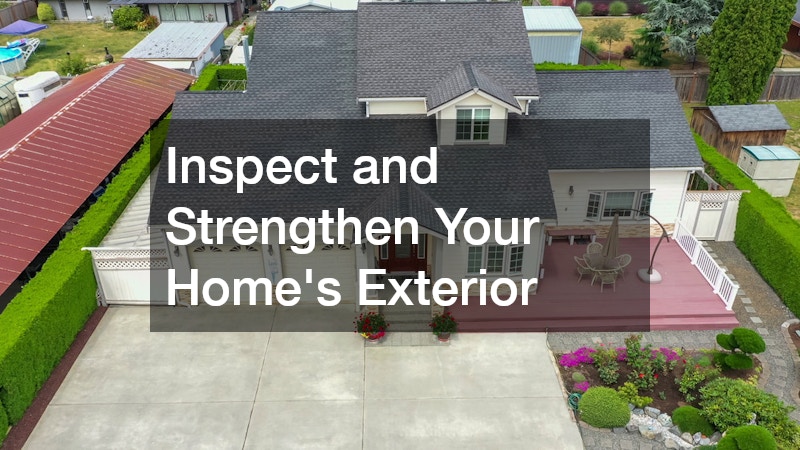
Your home’s exterior is the first thing buyers notice, and structural integrity plays a major role in overall value. A solid exterior protects your home from weather, reduces maintenance issues, and provides peace of mind for potential buyers.
How to Identify Roofing Problems
- Check for leaks, damaged shingles, and sagging sections. Minor roof damage can lead to long-term problems.
- Know the difference between minor repair needs and major replacement requirements.
- Evaluate material quality—durable shingles or metal roofing increase longevity and appeal.
- Consider aesthetic elements that improve curb appeal, like color coordination with siding or trim.
Steps to Protect and Upgrade Your Roof
- Schedule annual inspections to catch early signs of damage.
- Promptly fix leaks to prevent water damage.
- Compare quotes from multiple providers for roof replacement services.
- Invest in long-lasting materials to save on future maintenance costs.
By maintaining your roof and exterior, you create a strong foundation that attracts buyers and reduces long-term expenses.
Upgrade Your Heating and Cooling Systems
Efficient heating and cooling systems directly impact home comfort, energy bills, and long-term value. Older or malfunctioning units can be a red flag for buyers, while modern, well-maintained systems improve livability and market appeal. A home with reliable climate control signals that it has been cared for and reduces the likelihood of costly repairs, making it more attractive to potential buyers. Beyond resale value, an efficient system ensures comfort year-round, prevents uneven temperatures, and maintains indoor air quality.
Signs Your Heating and Cooling Systems Need Attention
- Furnace repairs may be required if the system runs inconsistently, emits unusual noises, or produces strange odors.
- Air conditioning units over 10–15 years old may be inefficient, struggle to maintain temperatures, or cost significantly more to operate. If your unit is reaching that lifespan, you may be in need of an air conditioning replacement.
- Ineffective heating or cooling can indicate worn components, clogged filters, or poor insulation.
- Frequent cycling on and off, rising utility bills, or uneven room temperatures are additional warning signs that your system needs attention.
- Visible rust, leaks, or water accumulation around equipment can indicate underlying issues that, if left unchecked, may lead to expensive replacements.
How to Boost Comfort and Efficiency
- Schedule HVAC Service inspections at least once a year to identify potential problems before they escalate.
- Upgrade to energy-efficient models with high SEER ratings for air conditioners and ENERGY STAR–certified furnaces to lower bills and reduce environmental impact.
- Maintain detailed service records and provide documentation for buyers to demonstrate that systems have been regularly serviced.
- Install programmable or smart thermostats to optimize energy usage, reduce waste, and enhance modern appeal.
- Clean or replace filters regularly, seal ductwork, and ensure vents are unobstructed to improve airflow and system efficiency.
- Consider zoning systems for larger homes to provide individualized temperature control, further improving comfort and energy efficiency.
Upgrading heating and cooling systems improves comfort, reduces operating costs, and demonstrates a well-maintained, move-in-ready home, which is highly attractive to prospective buyers.
Improve Plumbing and Water Systems

Plumbing issues can lead to serious damage if left unaddressed, making this a crucial area for increasing home value. Proper plumbing ensures safety, functionality, and convenience throughout the home. Beyond preventing water damage, a modern, efficient plumbing system improves energy efficiency, lowers utility bills, and enhances daily comfort. Homes with updated plumbing and well-maintained water systems are far more appealing to buyers, as they reduce concerns about leaks, mold, and unexpected repairs.
How to Spot Plumbing Concerns
- Look for leaks under sinks, around toilets, and near appliances such as dishwashers and washing machines.
- Pay attention to slow drains, gurgling sounds, or unusual noises in pipes, which can indicate clogs or failing components.
- Check water heater performance and pressure levels; inconsistent temperatures or strange noises may signal sediment buildup or mechanical issues.
- Monitor faucets, toilets, and appliances for drips, leaks, or inefficiencies that could waste water and raise bills.
- Inspect visible pipes for corrosion, rust, or mineral buildup, which can lead to breaks or leaks if ignored.
Improving Plumbing for Longevity and Efficiency
- Hire licensed plumbing services for inspections, repairs, and upgrades to ensure work meets safety and code requirements.
- Integrate plumbing improvements with HVAC Service checks for hot water systems to optimize efficiency and prevent overlapping issues.
- Upgrade to low-flow faucets, showerheads, and toilets to conserve water and appeal to eco-conscious buyers.
- Regularly flush water heaters and clean pipes to maintain efficiency and prevent sediment buildup that can shorten system lifespan.
- Consider modern water filtration or softening systems to improve water quality, which can be a selling point for buyers.
- Schedule routine maintenance to catch minor problems before they become costly repairs, such as leaks behind walls or under floors.
Addressing plumbing needs not only prevents damage but also demonstrates a well-maintained, functional home that provides comfort, safety, and long-term value to owners and prospective buyers alike.
Upgrade Electrical Systems Safely
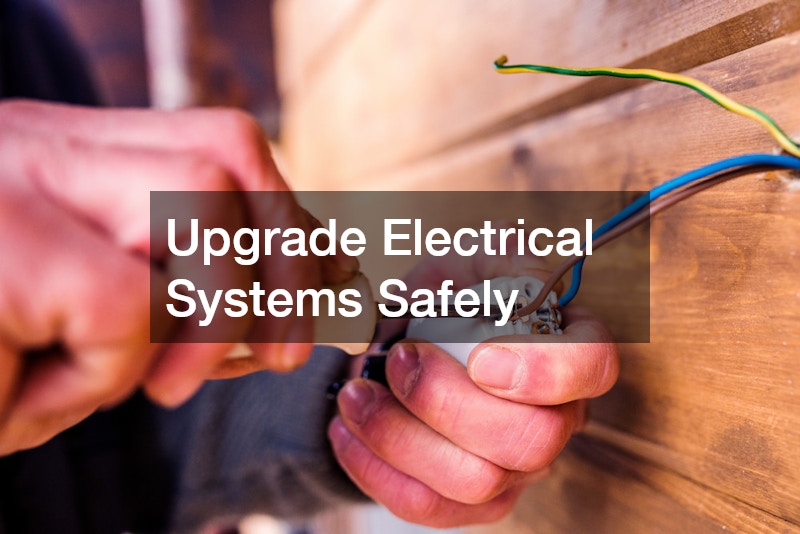
Electrical systems are essential for modern living, and outdated or faulty wiring can pose serious safety risks while lowering property value. Homes with outdated panels, overloaded circuits, or improper wiring increase the risk of fire and can deter potential buyers. Upgrading your electrical infrastructure is both a safety and investment measure, enhancing functionality, energy efficiency, and overall home appeal. Proper electrical systems also support modern appliances, smart home devices, and future renovations without costly rewiring.
How to Evaluate Electrical Safety
- Inspect outlets, switches, and panels for signs of wear, discoloration, or scorch marks.
- Identify outdated wiring, such as knob-and-tube or aluminum wiring, which may require replacement.
- Check for overloaded circuits, frequent breaker trips, or flickering lights, which indicate potential hazards.
- Determine whether your home’s current system can support modern technology, appliances, and additional load from planned renovations.
- Consider the age of your electrical panel; panels older than 20–30 years may not meet current code standards.
Steps to Make Electrical Improvements
- Hire a licensed electrician to upgrade panels, replace outdated wiring, and ensure all installations meet local codes.
- Coordinate electrical upgrades with home remodeling services to integrate lighting, outlets, and circuits seamlessly throughout the home.
- Install energy-efficient lighting, motion sensors, and smart home systems to improve energy efficiency and appeal to tech-savvy buyers.
- Add additional outlets in key areas such as kitchens, offices, and living spaces to increase functionality.
- Keep detailed documentation of all upgrades, permits, and inspections, which can reassure buyers and facilitate smooth appraisals.
- Test all new installations thoroughly to ensure safety and reliability before listing the home for sale.
Safe, modern electrical systems not only improve day-to-day functionality but also reassure buyers that the home is well-maintained, up to code, and capable of supporting modern living, making it a valuable investment for long-term resale.
Remodel Your Kitchen for Maximum Impact
The kitchen is often called the heart of the home, and it significantly influences buyers’ impressions. Thoughtful kitchen remodeling can dramatically increase home value while improving everyday usability. A well-designed kitchen not only enhances functionality but also creates a welcoming atmosphere for cooking, entertaining, and family life. Modern buyers often prioritize updated kitchens over other spaces, making strategic renovations a smart investment with one of the highest returns in the home.
Planning Your Kitchen Renovation
- Evaluate your current layout for efficiency, workflow, and storage. Consider the classic “work triangle” between the sink, stove, and refrigerator.
- Identify outdated countertops, cabinets, and appliances that may look worn or inefficient. Materials such as laminate or older cabinetry can date a kitchen quickly.
- Determine your renovation budget, focusing on updates that offer strong ROI while staying within financial limits.
- Think ahead about future needs, like additional storage, larger appliances, or accessibility features.
- Choose a cohesive design style that complements the rest of your home for a seamless aesthetic.
Implementing High-Impact Kitchen Updates
- Hire a professional kitchen remodeling service to ensure high-quality design, proper installation, and compliance with safety codes.
- Upgrade countertops to durable and visually appealing materials like quartz, granite, or engineered stone that combine style with longevity.
- Replace old cabinets with modern, space-saving options that maximize storage without crowding the kitchen. Consider soft-close hinges and pull-out organizers.
- Install energy-efficient appliances, including ovens, dishwashers, and refrigerators, to reduce energy costs and appeal to environmentally conscious buyers.
- Improve lighting with layered solutions, combining task lighting, ambient lighting, and accent lighting to enhance functionality and create a welcoming ambiance.
- Consider an open layout by removing non-structural walls or adding a kitchen island, which can improve traffic flow and make the space feel larger.
- Incorporate finishing touches like durable flooring, backsplash tiles, and stylish hardware to elevate overall appeal.
A well-planned, professionally executed kitchen remodel provides a high return on investment, enhances daily usability, and serves as a major selling point for prospective buyers, making it a cornerstone of any home improvement strategy.
Renovate Bathrooms for Function and Style
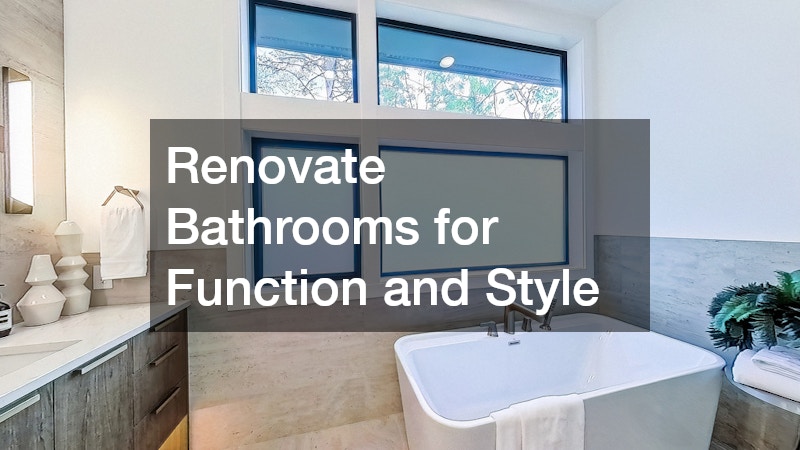
Bathrooms are another area where upgrades can dramatically improve home value. Functional improvements combined with aesthetic enhancements create inviting spaces.
Assessing Bathroom Needs
- Check for leaks, water pressure issues, and outdated fixtures.
- Determine which elements need professional attention versus simple upgrades.
- Consider trends like walk-in showers, dual vanities, or eco-friendly fixtures.
Steps for Bathroom Transformation
- Partner with a reputable bathroom remodeling company for high-quality results.
- Upgrade plumbing services to ensure long-lasting functionality.
- Replace old tubs, sinks, and toilets with modern, low-maintenance options.
- Add lighting, ventilation, and storage solutions to improve usability and comfort.
Modern, functional bathrooms increase both day-to-day comfort and market appeal.
Focus on Energy Efficiency Throughout the Home
Energy-efficient homes save money, reduce environmental impact, and appeal to buyers. Upgrading insulation, systems, and appliances improves comfort while highlighting modern features.
How to Identify Energy Waste
- Poor insulation, drafts, or outdated HVAC systems can cause inefficiency.
- Old appliances and lighting may consume unnecessary electricity.
- Gaps in windows, doors, or ductwork contribute to energy loss.
Ways to Improve Efficiency
- Replace aging air conditioning units with energy-efficient models.
- Schedule regular HVAC Service to ensure heating and cooling systems run optimally.
- Seal windows and doors, add insulation, and install smart thermostats.
- Swap traditional lighting and appliances for energy-saving alternatives.
A more efficient home attracts buyers seeking lower utility costs and eco-friendly features.
Prioritize Safety and Code Compliance
Homes that meet safety codes are more attractive to buyers and reduce potential liabilities. Addressing safety issues demonstrates responsible ownership.
Identifying Safety Risks
- Inspect electrical wiring, panels, and outlets for hazards.
- Check the roof for damage, leaks, or structural concerns.
- Identify any outdated or unsafe installations throughout the home.
Ensuring Compliance and Security
- Hire an electrician and roofing professional for inspections and repairs.
- Schedule professional roof repair to prevent water and structural damage.
- Keep documentation of all inspections, repairs, and permits.
- Address hazards like slippery floors, loose railings, or exposed wiring.
Homes with verified safety and code compliance reassure buyers and can boost appraisal value.
Blend Functionality With Aesthetics
Successful renovations combine practicality with visual appeal. Coordinating design across rooms enhances both usability and marketability.
Planning Cohesive Design
- Decide on neutral color palettes that appeal to a broad audience.
- Identify areas where functional improvements can double as aesthetic upgrades.
- Consider the relationship between kitchen, bathroom, and common areas.
Making Your Home Both Practical and Beautiful
- Engage home remodeling services for comprehensive updates across multiple spaces.
- Use kitchen remodeling service expertise to integrate design and efficiency.
- Optimize storage solutions, lighting, and layout for comfort and convenience.
- Choose durable materials that retain their look and function over time.
Balancing style with functionality ensures that your home is both enjoyable to live in and attractive to buyers.
Plan for Long-Term Value and ROI
Prioritize renovations that provide lasting benefits and the highest return on investment. Strategic planning ensures improvements enhance both day-to-day living and resale potential.
Evaluating Projects for Maximum Return
- Address essential systems first, such as roof replacement services and furnace repair.
- Consider which cosmetic upgrades will improve perceived value without overspending.
- Compare projected costs with potential resale value increases.
Strategies for Efficient Investment
- Develop a renovation timeline that balances major repairs with aesthetic upgrades.
- Maintain records of all work performed for future buyers.
- Blend functional improvements with design updates to maximize appeal.
- Focus on long-term durability to reduce future maintenance costs.
Thoughtful planning ensures that renovations improve living conditions and maintain their value over time.
Improving home value through renovations requires a balance of functionality, aesthetics, and essential maintenance. Strategic upgrades to roofing, plumbing, electrical systems, kitchens, and bathrooms not only enhance comfort but also appeal to prospective buyers.
By combining professional services with careful planning and energy-efficient, safe, and stylish improvements, homeowners can maximize both immediate enjoyment and long-term property value. Prioritizing critical systems, investing in high-quality finishes, and ensuring cohesive design across the home will help your property remain desirable and competitive in the market.