

How Material Choices Across Your Home Affect Long-Term Upkeep
Every material you choose for your home, from the roof over your head to the driveway under your car, comes with a hidden second price tag: the work and cost required to keep it looking and performing well for decades. Homeowners often focus on upfront cost and appearance, then get blindsided by how much time, money, or hassle a material demands years down the road. Understanding these long-term maintenance realities before you buy can save you thousands of dollars and countless weekends. This guide breaks down the most common home surfaces and systems so you can make choices that fit your lifestyle, not just your budget.
Roofing Materials and Their Maintenance Demands
The roof is one of the most expensive systems in your home to replace, so the material you select has a ripple effect on decades of upkeep. Asphalt shingles are affordable and widely available, but they typically need periodic inspections and occasional patching after storms. Metal roofing costs more upfront but tends to shed debris and resist rot, meaning fewer callbacks over its lifespan. Slate and tile last the longest of all but require specialized skill to repair, which narrows your pool of qualified help when something goes wrong.
Because roofing problems can escalate quickly if ignored, most homeowners eventually need to call in professionals rather than handling repairs themselves. Reputable roofing contractors can assess whether a leak is isolated or a sign of broader material failure, and they can also advise on the realistic lifespan remaining on your current roof. Getting a second opinion before a small repair turns into a full replacement is one of the smartest ways to control long-term costs.
- Asphalt shingles: 15-30 year lifespan, moderate maintenance
- Metal roofing: 40-70 year lifespan, low maintenance
- Clay or concrete tile: 50+ years, occasional cracked tile replacement
- Wood shakes: charming but require regular treatment against rot and pests
Siding Options and Long-Term Exterior Care
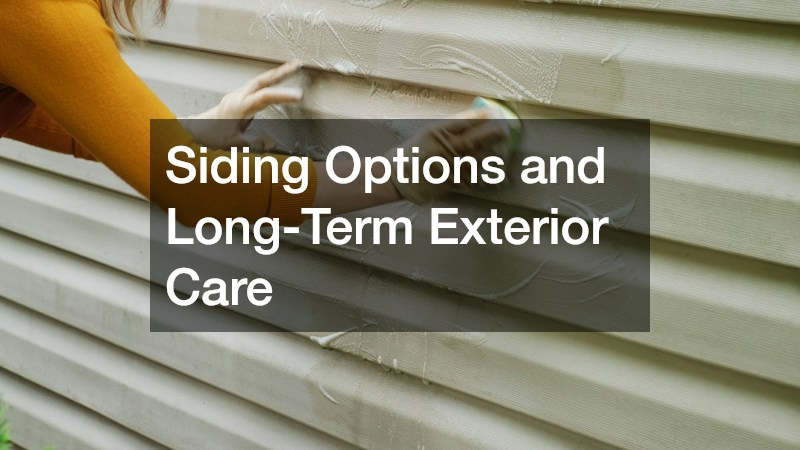
Your siding takes a daily beating from sun, rain, and temperature swings, so its material choice directly affects how often you will be repainting, patching, or replacing panels. Vinyl siding is popular because it resists moisture damage and rarely needs more than an occasional cleaning. Fiber cement siding holds paint longer than wood and resists pests, though it is heavier and pricier to install. Wood siding offers unmatched natural character but demands repainting or staining every few years to prevent warping and rot.
When siding starts to crack, fade unevenly, or trap moisture behind panels, it is worth bringing in siding companies to evaluate whether a section repair will hold or whether a broader replacement makes more financial sense. Many exterior problems, like hidden water intrusion, are not visible until a professional pulls back a panel. Catching these issues early protects the structural sheathing underneath, which is far more expensive to fix than the siding itself.
- Vinyl: low cost, minimal upkeep, limited lifespan in extreme heat
- Fiber cement: excellent durability, moderate installation cost
- Wood: high maintenance, needs repainting every 3-7 years
- Brick veneer: very low maintenance but costly to repair if cracked
Driveway and Walkway Surfaces
The surface you choose for driveways and walkways affects not just curb appeal but how much seasonal maintenance you will be doing for years to come. Poured asphalt is budget-friendly and easy to patch, but it softens in extreme heat and needs resealing every few years. Concrete holds up well structurally but can crack from freeze-thaw cycles if not properly reinforced during installation. Many homeowners are now choosing driveway pavers because individual units can be lifted and replaced without redoing the entire surface, which makes long-term repairs far less disruptive.
Weeds and shifting soil are the most common long-term headaches with paver and gravel surfaces, so it helps to know what maintenance routine each option actually requires before installation. Sealing pavers every couple of years helps prevent staining and keeps joint sand in place. Comparing lifetime costs, not just installation price, will give you a clearer picture of which surface actually saves money.
- Asphalt: reseal every 3-5 years, patch cracks promptly
- Poured concrete: control joints reduce cracking, occasional resealing
- Interlocking pavers: individual unit replacement, periodic joint sand refresh
- Gravel: lowest upfront cost, requires regular regrading
Concrete Structures Around the Property
Beyond driveways, concrete shows up in patios, foundations, retaining walls, and pool decks, and each application has its own maintenance profile. Hairline cracks are often cosmetic, but wider cracks or uneven settling can signal drainage or soil issues that need professional attention. Sealing exposed concrete every few years protects against water penetration, which is the leading cause of long-term deterioration. Because concrete work is largely irreversible once poured, getting the mix, reinforcement, and drainage right the first time matters enormously.
Hiring qualified concrete contractors for any structural pour, rather than treating it as a simple DIY project, pays off when you consider how expensive it is to fix improperly cured or poorly reinforced concrete. A good contractor will also factor in local climate conditions, since freeze-thaw cycles and expansive soils require different reinforcement strategies. Ask about rebar placement, expansion joints, and drainage slope before any major pour begins.
- Inspect for cracks wider than a quarter inch annually
- Reseal exposed concrete every 2-3 years
- Ensure proper drainage slope away from foundations
- Address efflorescence (white staining) promptly to prevent moisture buildup
Flooring Materials Inside the Home
Interior flooring choices affect daily livability as much as long-term cost, since some materials tolerate heavy foot traffic and moisture far better than others. Tile is nearly maintenance-free and holds up well in bathrooms and kitchens, while carpet requires regular deep cleaning to avoid trapping allergens and stains. Laminate offers a budget-friendly look of wood but cannot be refinished once it wears through its top layer, meaning full replacement is the only long-term fix. Luxury vinyl plank has become popular for its water resistance and relatively easy upkeep in busy households.
Because flooring spans so many rooms and use cases, many homeowners consult flooring companies to compare durability ratings and warranty terms before committing to one material throughout the house. A good consultation will also cover subfloor compatibility, since moisture-prone areas need different underlayment than dry, climate-controlled rooms. Matching the material to the room’s actual use, rather than choosing purely on looks, is the single biggest factor in long-term satisfaction.
- Tile: highly durable, low maintenance, cold underfoot without heating
- Carpet: comfortable but needs frequent deep cleaning
- Laminate: affordable, cannot be refinished when worn
- Luxury vinyl plank: water-resistant, easy to clean, moderate lifespan
Hardwood Floor Care and Renewal
Solid hardwood remains one of the most desirable flooring choices because, unlike many alternatives, it can be restored rather than replaced when it starts showing wear. Scratches, dullness, and worn finish are normal after years of foot traffic, but they do not necessarily mean the floor needs to be torn out. Periodic hardwood floor refinishing sands away the damaged top layer and reseals the wood, essentially giving the floor a second or third life. This is one of the clearest examples of a material where smart long-term maintenance actually costs less than replacement.
Knowing how often refinishing is needed depends on the wood species, finish type, and amount of household traffic, so it helps to inspect the floor’s surface a few times a year for early signs of wear. Water spots, deep gouges, and graying wood are all signals that a refinish is due sooner rather than later. Waiting too long can mean sanding through the usable wood veneer, which shortens the floor’s overall lifespan.
- Solid hardwood can typically be refinished 4-6 times over its life
- Engineered hardwood has a thinner veneer and fewer refinishing cycles
- Refinish every 7-10 years depending on traffic
- Avoid excess water exposure to prevent warping between refinishing cycles
Exterior Cleaning and Surface Preservation
Regardless of which materials you choose for your home’s exterior, regular cleaning plays an outsized role in how long those surfaces actually last. Dirt, algae, and mildew buildup trap moisture against siding, decking, and concrete, accelerating decay that would otherwise take years to occur. Left unchecked, this organic growth can work its way into hairline cracks and seams, widening them through repeated freeze-thaw cycles in colder climates. Scheduling routine power washing for driveways, siding, and decks removes this buildup before it causes staining or structural damage. Most homes benefit from a thorough power washing once or twice a year, though shaded, humid, or heavily wooded lots may need more frequent attention. Pressure settings matter too — vinyl siding and wood decking typically call for lower PSI settings around 1,300 to 1,600, while concrete driveways can handle 3,000 PSI or more without damage. It is a relatively low-cost maintenance step that extends the life of far more expensive materials, often costing a few hundred dollars compared to the thousands required for premature siding replacement or deck resurfacing. Pairing power washing with a follow-up sealant application on decks and driveways adds another layer of protection against UV rays and water intrusion. Taken together, these small, consistent efforts do more to preserve your home’s exterior than any single material upgrade ever could.
Not every surface can handle the same water pressure, so it is worth understanding which settings are safe for your specific materials before starting or hiring the job out. Wood decking and older mortar joints need a gentler touch than concrete or vinyl siding, since aggressive pressure can strip wood fibers, force water behind siding panels, or blast away weakened grout. As a general guideline, wood and stucco do best under 1,200-1,500 PSI, while concrete driveways and brick can typically tolerate 2,500-3,000 PSI without damage. The nozzle angle and distance matter just as much as the pressure setting. Holding a wand too close or using a narrow-degree tip can etch lines into softer materials, so a wider fan spray held at least a foot away is usually safer for painted or wood surfaces. Cleaning frequency also depends on your climate, with humid regions typically needing more frequent attention to prevent mold, algae, and mildew growth. Homes in the Pacific Northwest or Gulf Coast may need siding and deck washing twice a year, while drier climates can often stretch that to once annually. Shaded, north-facing walls and areas near sprinklers or downspouts tend to collect grime faster and may need spot cleaning between full washes.
- Clean siding and decking at least once a year, ideally in spring or fall when mold growth is active but temperatures are mild
- Use low-pressure settings (500-800 PSI) on wood and aging mortar to avoid gouging soft surfaces or blasting out grout lines
- Test a small hidden area first to check how the material reacts before cleaning the whole surface
- Schedule cleaning 24-48 hours before resealing or repainting so surfaces dry completely and coatings adhere properly
- Watch for green or black staining as an early sign of moisture buildup, algae, or trapped humidity behind the surface
- Check gutters and downspouts during cleaning, since overflow often causes the streaking and staining seen on siding below
- Rinse cleaning solutions thoroughly, as leftover residue can trap dirt faster and shorten the life of a new paint or sealant job
Garage Door Materials and Mechanical Upkeep
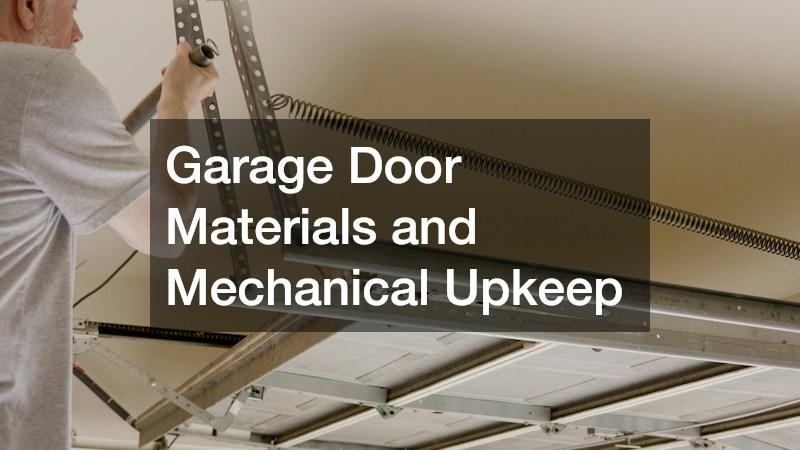
Garage doors are used dozens of times a week, making them one of the hardest-working components on your home’s exterior, yet they are often overlooked until something breaks. Steel doors resist warping and dents better than wood but can rust if the finish is scratched and left untreated. Aluminum is lightweight and rust-resistant but can dent more easily under impact. Insulated garage doors cost more upfront but reduce energy loss and tend to have sturdier hardware that holds up longer under daily use.
Beyond the door panel material, the opener mechanism, springs, and tracks all need periodic attention to avoid costly failures. Lubricating moving parts twice a year and checking the balance of the door can prevent premature wear on the motor and springs. Choosing well-reviewed garage doors with strong warranty coverage on both the panels and hardware tends to pay off in fewer service calls over the years.
- Steel: durable, prone to rust if scratched
- Aluminum: lightweight, dent-prone
- Wood: attractive but needs regular refinishing
- Insulated models: better energy efficiency, sturdier hardware
Well and Water System Considerations
For homes not connected to a municipal water supply, the well system is a critical piece of infrastructure whose material and construction quality determine decades of reliable performance. Casing material, pump type, and depth all affect how much maintenance a well will need and how resistant it is to contamination or mechanical failure. Professional well drilling done to proper depth and with quality casing materials reduces the risk of sediment infiltration and pump strain later on. Skipping corners during initial installation almost always leads to higher repair costs down the line.
Routine water testing and periodic inspection of the pump and pressure tank are the best ways to catch small issues before they become expensive system failures. Sediment buildup, fluctuating water pressure, or unusual taste can all indicate it is time for a professional inspection. Because wells are largely out of sight, it is easy to forget them until a problem surfaces, so setting a recurring reminder for testing is a simple way to stay ahead of costly repairs.
- Test well water quality at least once a year
- Inspect pressure tank and pump every few years
- Watch for sediment or cloudy water as early warning signs
- Keep records of well depth and casing material for future service calls
The materials you choose throughout your home are not just aesthetic decisions, they are long-term financial commitments that shape how much time and money you will spend on upkeep for years to come. Taking a little extra time upfront to compare durability, maintenance frequency, and repair complexity will pay off far more than chasing the lowest sticker price. Start by walking through your own home and noting which materials are aging well and which are becoming maintenance burdens, then prioritize upgrades accordingly. With the right information in hand, you can make choices that keep your home looking great and functioning well for decades.