
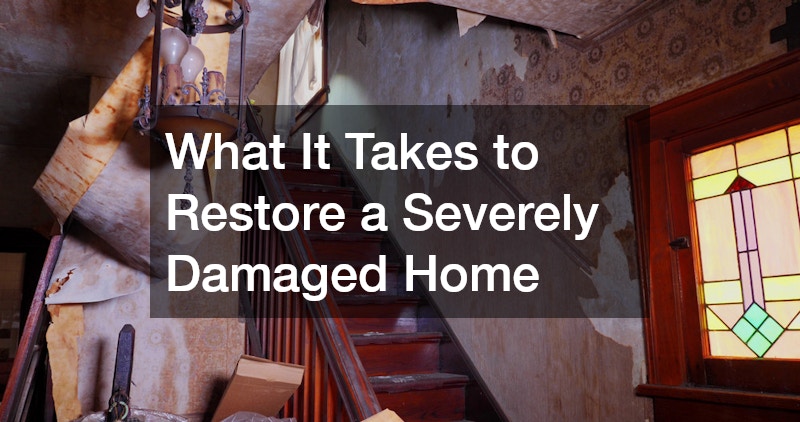
What It Takes to Restore a Severely Damaged Home
A severely damaged house can feel overwhelming at first glance. Floors may be soaked, walls may be cracked, roofing may be compromised, and electrical or plumbing systems may be unsafe. In that moment, it is tempting to focus on what looks the worst. However, the most important step is not cosmetic repair. It is figuring out what must happen first to make the property safe, stable, and recoverable.
Restoring a badly damaged house requires a clear order of operations. Safety comes before cleanup. Structural evaluation comes before rebuilding. Moisture control comes before wall replacement. Documentation comes before claim decisions. Every stage affects the next one, so skipping steps can lead to hidden damage, repeated repairs, and higher long-term costs.
The process usually involves several professionals working together. Inspectors, mitigation crews, remediation specialists, carpenters, drywall installers, roofers, electricians, plumbers, and claims professionals may all have a role. The goal is not simply to make the house look normal again. The goal is to return it to a safe, dry, functional, and durable condition.
For homeowners, the best approach is to slow down, document everything, and make decisions based on expert evaluations rather than panic. A severe loss can be repaired, but it takes patience, sequencing, and a willingness to address both visible and hidden damage.
How Can You Tell Whether the House Is Safe to Enter?

Before cleanup begins, the first question is whether the house is safe enough for anyone to enter. Severe damage can weaken floors, shift framing, expose wiring, loosen ceilings, and create air quality concerns. A house that looks stable from the outside may still have hidden hazards inside. This is why the earliest stage should involve a professional inspection rather than guesswork.
A qualified restoration service can help evaluate immediate risks and determine what areas should be avoided until they are stabilized. This may include checking the roofline, foundation, load-bearing walls, stairs, ceilings, and utility systems. In some cases, the property may need temporary shoring, tarping, board-up work, or utility shutoffs before anyone can begin sorting belongings or removing damaged materials.
The inspection should separate urgent safety concerns from repairs that can wait. For example, a sagging ceiling below a soaked attic may need immediate attention, while damaged trim can be handled later. Likewise, electrical panels, gas lines, and plumbing systems should be reviewed before power or water is restored. Re-entering too soon can put homeowners and workers at risk.
A successful home restoration begins with a realistic scope. That scope should identify what is salvageable, what must be removed, and what needs further testing. Homeowners should ask for written findings, photographs, and a phased plan. This keeps the project from becoming a series of disconnected repairs and helps everyone understand the path from emergency stabilization to final rebuilding.
What Should Happen First When Moisture Is Involved?
Water can create some of the most serious long-term problems after a house is damaged. It can soak into subfloors, insulation, framing, cabinets, wall cavities, and ceilings. Even when standing water is removed, damp materials can continue causing trouble. The sooner moisture is controlled, the better the chance of preventing structural deterioration and indoor air quality issues.
A water damage service typically begins with extraction, drying, and moisture mapping. Moisture meters and thermal imaging may be used to find wet areas that are not visible on the surface. This matters because drywall, wood, and insulation can feel dry on the outside while still holding moisture inside. If reconstruction begins before these materials are dry, the home may develop hidden decay or recurring odors.
Homeowners should also understand the difference between drying and rebuilding. Drying is not just placing a few fans in a room. It may require dehumidifiers, air movers, containment barriers, removal of saturated materials, and daily moisture readings. The drying process should continue until the affected materials reach acceptable moisture levels. Written records are helpful because they show that the structure was properly dried before repairs moved forward.
Moisture can also create conditions where mold removal becomes necessary. Mold concerns should never be handled casually in a heavily damaged home. If growth is visible or suspected, affected areas may need containment, safe removal, cleaning, and verification. Covering stained materials with paint or replacing wall surfaces without treating the source only hides the problem. Proper moisture control protects both the structure and the people who will live in it later.
How Should Storm-Related Damage Be Handled?
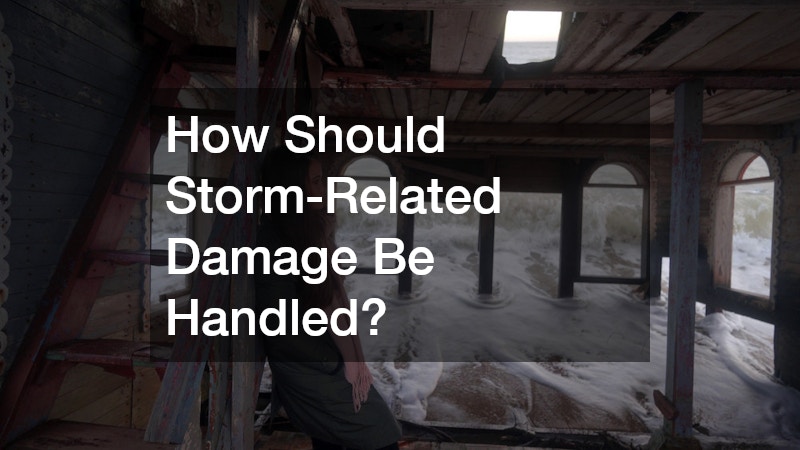
Storms can damage a home in several ways at once. High winds may lift shingles, break windows, damage siding, and allow rain into the structure. Falling branches can puncture roofs or crush exterior features. Flooding can affect lower levels, crawl spaces, garages, and foundations. Because storm damage often involves multiple systems, the response needs to be organized from the beginning.
The first priority is preventing additional exposure. Temporary roof coverings, boarded windows, secured doors, and debris removal can help protect the house while full repairs are planned. Storm damage restoration should not focus only on what is visible from the curb. Crews may need to inspect attic spaces, wall cavities, roof decking, gutters, fascia, siding, windows, and drainage areas to understand how water or wind entered the home.
Documentation is especially important after weather-related damage. Homeowners should take photos and videos before moving items, discarding materials, or authorizing major repairs. Images should include wide shots of affected rooms, close-ups of damage, exterior conditions, and any temporary protection installed. Receipts for emergency work should be kept in one place. A written timeline of when the damage occurred and what steps were taken can also be useful.
A home insurance service can help homeowners understand what information is often needed during the claim process. While coverage decisions depend on the policy and the facts of the loss, clear documentation can reduce confusion. Homeowners should avoid assuming that every damaged item will be handled the same way. Roofing, interior finishes, personal property, detached structures, and temporary living expenses may each have different requirements. Staying organized helps the repair process move with fewer setbacks.
When Should Damaged Materials Be Removed Instead of Repaired?
One of the hardest decisions during a major repair project is determining what can be saved. Homeowners often want to preserve as much as possible, especially when the damage affects familiar rooms or sentimental spaces. However, keeping compromised materials can create problems later. Materials that are warped, contaminated, weakened, or repeatedly exposed to moisture may need to be removed for the home to recover properly.
Walls are a common example. Drywall can sometimes be patched after limited damage, but severe water exposure, mold contamination, fire damage, or structural movement can make replacement the better option. Custom home drywall contractors may be needed when walls, ceilings, textures, arches, built-ins, or specialty finishes must be recreated carefully. Their work is not just about covering studs. Proper installation affects fire resistance, sound control, appearance, and the durability of the finished space.
Material removal should be guided by inspection, not emotion. Soaked insulation may need to come out even if the wall surface looks only lightly stained. Cabinets may need removal if water traveled underneath them. Flooring may need to be lifted if the subfloor is wet or swollen. Ceiling sections may need to be opened to inspect framing and wiring. These steps can feel destructive, but they often prevent larger problems later.
Severe damage can also create an opportunity for thoughtful home renovation while repairs are already underway. This does not mean turning an emergency into an uncontrolled wish list. It means considering whether certain materials, layouts, or systems should be improved while the structure is open. Better insulation, updated wiring, stronger moisture-resistant materials, improved lighting, or safer room layouts may be easier to address during reconstruction than after the home is fully closed up again.
How Can the Rebuild Make the House Stronger?
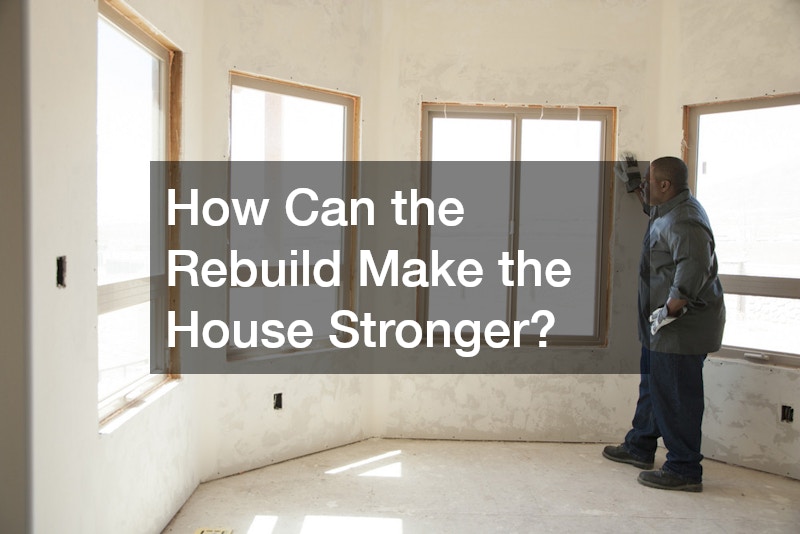
Once the emergency phase is complete and damaged materials have been removed, the project shifts toward rebuilding. This is where homeowners should think beyond returning the house to its previous condition. A severe loss is disruptive, but it can also reveal weaknesses that were already present. Poor ventilation, outdated layouts, aging materials, drainage problems, and inefficient systems may become more obvious once walls, floors, or ceilings are opened.
Planned home remodels can help the repaired areas work better for daily life. For example, a damaged kitchen may be rebuilt with a safer layout, better storage, and more durable surfaces. A damaged bathroom may be updated with improved ventilation and moisture-resistant materials. A basement or lower level may be redesigned with better drainage planning, easier-to-clean finishes, and smarter access to mechanical systems. The key is to keep improvements practical and tied to long-term performance.
A home remodeling contractor can help coordinate the transition from repair to improvement. This is important because reconstruction often involves many trades working in sequence. Framing must happen before drywall. Electrical and plumbing rough-ins must be inspected before walls are closed. Flooring, trim, cabinetry, and painting must be scheduled in the right order. Without coordination, homeowners may face delays, rework, or mismatched finishes.
Durability should guide product choices. In areas that experienced water exposure, homeowners may consider materials that resist moisture better than the previous finishes. In storm-prone areas, stronger roofing materials, impact-resistant windows, or improved exterior drainage may be worth discussing. In older homes, code updates may be required during reconstruction. A stronger rebuild is not only about appearance. It is about reducing future risk and making the house easier to maintain.
What Mistakes Can Slow Down the Recovery?
The most common mistake after severe damage is rushing into cosmetic repairs before the underlying issues are resolved. Fresh paint and new flooring can make a home look better temporarily, but they cannot fix trapped moisture, weakened framing, unsafe wiring, or contaminated materials. When the foundation of the repair is wrong, the finished work may have to be torn out and redone.
Another mistake is hiring help without checking qualifications. Homeowners should ask whether contractors are licensed where required, insured, experienced with severe damage projects, and willing to provide written scopes. They should also ask how changes will be handled if hidden damage is discovered. A vague estimate may seem simple at first, but it can create confusion once the project grows more complicated.
Communication is also a major factor. Homeowners should keep a project file with photos, contracts, estimates, inspection notes, drying logs, receipts, permits, and correspondence. This file helps keep decisions organized and can be useful if questions arise later. When multiple professionals are involved, written communication reduces the chance that important details are missed.
Finally, homeowners should not skip final inspections or walkthroughs. Before the project is considered complete, all major systems should be checked, repaired areas should be reviewed, and any unfinished details should be listed. Doors, windows, plumbing fixtures, outlets, flooring transitions, attic areas, crawl spaces, and exterior repairs should all be examined. A careful closeout helps ensure the home is not just repaired, but truly ready to be lived in again.
A Safer Home Begins With the Right Recovery Process
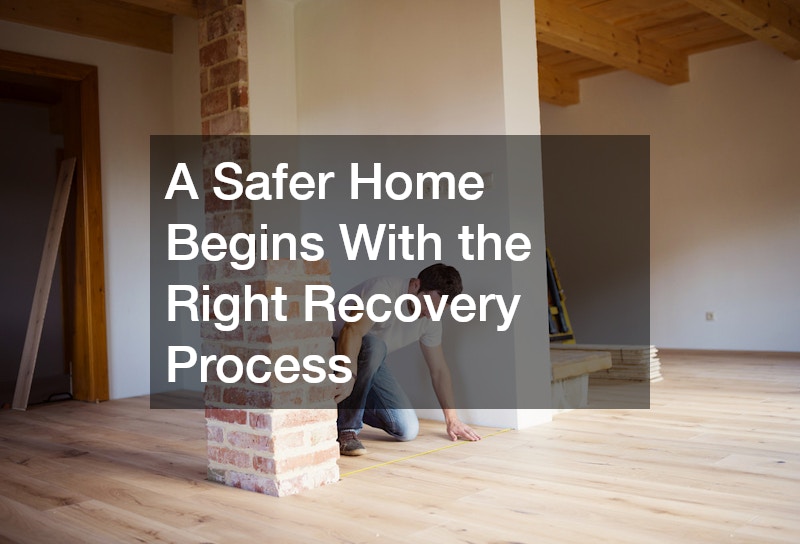
Bringing a severely damaged house back to life is a major project, but it becomes more manageable when the work follows the right sequence. Safety must come first. Then the structure needs to be evaluated, moisture needs to be controlled, damaged materials need to be removed, and rebuilding needs to be planned with care. Each stage supports the next one.
Homeowners should resist the pressure to make rushed decisions simply to make the house look normal again. The visible damage is only part of the story. The hidden conditions behind walls, under floors, inside ceilings, and around mechanical systems often determine whether the repair will last. Taking time to investigate those areas can prevent repeated problems and protect the value of the property.
The strongest recovery plans are built around documentation, professional guidance, and clear priorities. A damaged house can often be repaired, but the process requires coordination and patience. With the right evaluations, skilled trades, and a focus on long-term durability, a difficult loss can become an opportunity to make the home safer, stronger, and better prepared for the future.