
Residential Roof Maintenance Tips for Every Season
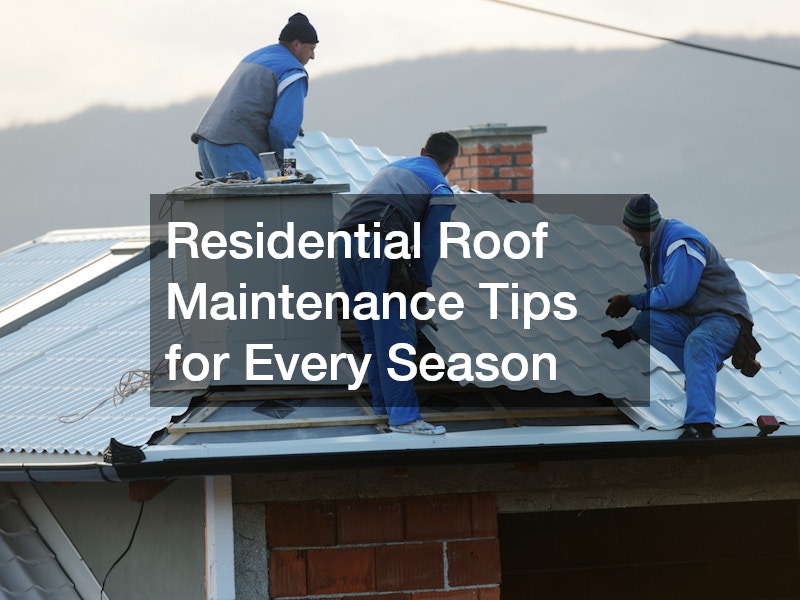
Keeping a roof in good condition requires more than reacting to leaks after they appear. Homeowners who stay proactive throughout the year often avoid major structural problems, unexpected expenses, and premature deterioration. Residential roof maintenance plays an important role in protecting a home from changing weather conditions, moisture intrusion, and everyday wear. Every season introduces different challenges that can affect shingles, flashing, gutters, and ventilation systems. By understanding those seasonal demands, homeowners can make informed decisions that support long-term performance.
Many property owners overlook minor warning signs until they become expensive problems. Cracked shingles, clogged drainage systems, and hidden moisture damage can slowly compromise a roof’s integrity over time. Working with experienced local roofers allows homeowners to identify these concerns early and create a plan for ongoing care. Professional inspections, seasonal cleanings, and timely repairs all contribute to stronger overall protection.
Residential roof maintenance is also important for preserving curb appeal and maintaining property value. Whether a home is newly built or part of a neighborhood focused on historic preservation, consistent care helps roofing materials perform as intended. Understanding how weather affects roofing systems and knowing when to contact a trusted local roofer can help homeowners avoid unnecessary stress while extending the life of their investment.
Why Is Regular Roof Maintenance Important?
The Benefits Of Preventive Care
Preventive maintenance is one of the most effective ways to reduce long-term roofing expenses. Small issues that are ignored often develop into larger structural concerns that require significant repairs. Residential roof maintenance helps homeowners identify weak areas before water intrusion or material deterioration spreads throughout the roof system. Seasonal inspections and routine upkeep can help preserve shingles, flashing, ventilation systems, and drainage components.
Homeowners who invest in regular maintenance frequently avoid emergency service calls during severe weather events. Loose shingles, cracked sealants, and blocked gutters are easier and less expensive to address early. Preventive care also minimizes the risk of interior damage caused by roof leaks, including stained ceilings, mold growth, and damaged insulation.
Impact On Roof Longevity
A roof that receives regular care generally lasts much longer than one that is neglected. Exposure to rain, snow, heat, and wind gradually wears down roofing materials over time. Without proper maintenance, even durable roofing systems can deteriorate prematurely. Residential roof maintenance helps reduce this wear by addressing vulnerabilities before they become severe.
Routine inspections allow homeowners to monitor the condition of shingles, flashing, underlayment, and ventilation systems. Detecting issues early can prevent moisture from reaching the roof deck and structural components beneath the surface. Over time, this proactive approach supports stronger performance and delays the need for major repairs or replacement.
What Seasonal Changes Affect Your Roof?
Winter Weather And Its Effects
Winter weather can place significant stress on a roofing system. Snow accumulation, freezing temperatures, and ice formation all contribute to seasonal wear that homeowners should take seriously. Residential roof maintenance during colder months focuses on preventing moisture damage and protecting vulnerable areas from freezing conditions.
One of the most common winter concerns is the formation of ice dams. These occur when melting snow refreezes along roof edges, trapping water behind the ice barrier. As water backs up beneath shingles, leaks may develop inside the home. Proper insulation and ventilation help reduce the likelihood of ice dam formation.
Heavy snow loads can also strain the structural components of a roof. Older homes and properties with aging materials may be especially vulnerable during severe winter storms. Regular inspections help homeowners identify sagging areas, damaged flashing, or weakened shingles before problems worsen.
Summer Sun Damage
While winter weather receives significant attention, summer conditions can also affect roofing systems in serious ways. Constant exposure to ultraviolet rays gradually breaks down roofing materials and accelerates aging. Residential roof maintenance during warmer months helps reduce the impact of heat and sunlight on shingles and sealants.
As roofing materials expand and contract under intense heat, cracks and warping may begin to develop. Over time, this movement can weaken protective barriers and increase the risk of leaks. Dark-colored roofing surfaces may absorb additional heat, further increasing stress on the roof structure.
How To Inspect Your Roof For Damage?

Identifying Common Issues
Regular roof inspections allow homeowners to identify developing problems before they require extensive repairs. Residential roof maintenance includes checking for visible warning signs that indicate wear, storm damage, or moisture intrusion. Many roofing issues begin subtly and worsen gradually over time.
Missing or curling shingles are among the most common signs of deterioration. These areas leave the roof more vulnerable to leaks and wind damage. Cracked flashing around vents, skylights, and chimneys may also allow water to enter the structure during heavy rain.
Homeowners should also inspect gutters and downspouts for excessive granule buildup. Large amounts of granules may indicate that shingles are nearing the end of their lifespan. Water stains on ceilings or attic surfaces often signal hidden leaks that require prompt attention.
When To Call A Local Roofer
Some roofing concerns can be identified visually, but others require professional evaluation. Knowing when to contact a local roofer is an important part of protecting a home from escalating damage. Residential roof maintenance becomes much more effective when homeowners seek expert guidance before problems spread.
Visible leaks, sagging roof sections, and widespread shingle damage should always be inspected by professionals. Storm damage may also require immediate attention, especially if debris impacts the roof or flashing becomes detached. Ignoring these warning signs can increase the likelihood of structural deterioration and interior water damage.
Homeowners should also contact a roofer if they notice recurring moisture issues in the attic. Condensation, mold growth, and poor ventilation often indicate underlying roofing concerns that require professional assessment. A qualified specialist can identify the source of the problem and recommend appropriate solutions.
What Are The Top Roof Repair Techniques?
Temporary Fixes Vs. Permanent Solutions
Not all roof repairs provide the same level of protection. Some situations require immediate temporary action, while others call for more extensive long-term solutions. Residential roof maintenance involves understanding the difference between quick fixes and permanent repairs so homeowners can make informed decisions.
Temporary repairs are often used after storms or unexpected leaks. Tarping damaged areas and applying emergency sealants may help prevent additional water intrusion until full repairs can be completed. While these measures are useful in urgent situations, they are not intended to replace comprehensive repair work.
Permanent repairs focus on correcting the underlying cause of damage rather than masking symptoms. Replacing damaged shingles, repairing flashing, and reinforcing weak structural areas provide more reliable long-term protection. Homeowners who delay permanent repairs may eventually face larger expenses due to spreading deterioration.
The Role Of Roofing Contractors
Professional roofing contractors provide valuable expertise that supports both short-term repairs and long-term roof performance. Their experience allows them to identify hidden problems, recommend durable materials, and complete repairs safely and efficiently.
One major advantage of working with professionals is access to specialized tools and industry knowledge. Roofing systems involve multiple interconnected components, including ventilation, flashing, drainage, and underlayment. Improper repairs in one area can create new problems elsewhere if not handled correctly.
Contractors also understand local building codes and regional weather challenges. This knowledge is especially important when selecting materials designed to withstand specific environmental conditions. Residential roof maintenance becomes more effective when repairs are completed according to established industry standards.
How Do You Know When To Reroof?
Signs That Reroofing Is Necessary
Eventually, every roof reaches a point where repairs alone are no longer enough. Recognizing the signs that reroofing may be necessary helps homeowners avoid repeated expenses and ongoing structural issues. Residential roof maintenance plays a key role in identifying when a roof is nearing the end of its functional lifespan.
Widespread shingle deterioration is one of the clearest warning signs. Curling, cracking, bald spots, and missing shingles across large sections of the roof often indicate advanced wear. Persistent leaks that continue despite multiple repairs may also suggest that the roofing system has deteriorated beyond practical repair.
Age is another important factor. Many roofing materials have expected service lifespans, and older roofs naturally become more vulnerable to weather-related damage over time. Sagging rooflines or soft spots beneath the surface may indicate deeper structural concerns that require more comprehensive solutions.
Cost-Benefit Analysis Of Reroofing Vs. Repair
Deciding between reroofing and continued repairs often involves balancing immediate costs against long-term value. While repairs may appear less expensive initially, repeated service calls and recurring damage can become financially burdensome over time.
Homeowners should consider the overall condition of the roof when evaluating their options. A roof with isolated damage may benefit from targeted repairs, while widespread deterioration often makes reroofing more cost-effective. Residential roof maintenance records can help track repair frequency and identify patterns that suggest replacement may be the smarter investment.
Energy efficiency is another factor worth considering. Older roofing systems may contribute to higher heating and cooling costs due to poor insulation and ventilation performance. Installing updated materials during reroofing projects can improve indoor comfort and reduce utility expenses.
What Should You Expect From A Roof Replacement Service?
The Roof Replacement Process
A roof replacement service typically begins with a comprehensive inspection and project consultation. Contractors evaluate the roof’s condition, identify structural concerns, and discuss material options with the homeowner. Residential roof maintenance often delays the need for replacement, but eventually every roofing system requires major updates.
Once the project begins, old roofing materials are removed to expose the roof deck beneath. Contractors inspect the underlying structure for rot, moisture damage, or weakened areas that require repair before new materials are installed. This step helps ensure the new roof has a stable foundation.
After repairs are completed, protective underlayment and flashing components are installed to improve moisture resistance. Roofing materials are then applied according to manufacturer guidelines and local building requirements. Ventilation systems may also be upgraded during the process to improve airflow and energy efficiency.
Choosing The Right Roofing Companies
Selecting the right contractor is one of the most important parts of any roof replacement project. Homeowners should research roofing companies carefully to ensure they receive dependable service and quality workmanship.
Experience and licensing are important starting points. Contractors should carry appropriate insurance coverage and demonstrate familiarity with local building regulations. Homeowners should also ask about manufacturer certifications, warranty coverage, and references from previous clients.
Clear communication is another valuable indicator of professionalism. Reliable contractors explain project details thoroughly and provide written estimates outlining labor, materials, and scheduling expectations. Residential roof maintenance plans may also be discussed to help homeowners protect their new roof after installation.
How To Maintain A Historic Roof?
Best Practices For Historic Preservation
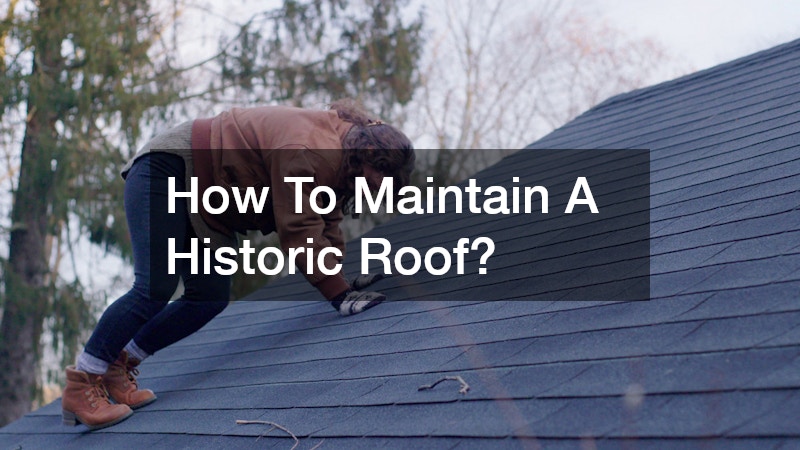
Maintaining older roofing systems requires a careful balance between functionality and historic preservation. Historic homes often feature unique architectural details and materials that require specialized attention. Residential roof maintenance for these properties focuses on protecting structural integrity while preserving original character whenever possible.
Routine inspections are especially important for aging roofs because older materials may deteriorate differently than modern products. Clay tiles, slate, wood shakes, and metal roofing systems each require distinct maintenance approaches. Using incompatible replacement materials can compromise both appearance and performance.
Homeowners should address moisture issues quickly to prevent structural damage beneath historic roofing surfaces. Proper drainage, ventilation, and flashing maintenance all contribute to preserving older roof systems. Cleaning should also be performed carefully to avoid damaging delicate materials.
Working With Local Roofers On Historic Buildings
Historic homes benefit greatly from contractors who understand regional architecture and preservation practices. Working with knowledgeable local roofers helps homeowners protect historically significant properties while maintaining functional roofing systems.
Local professionals often have experience with climate conditions that affect older buildings in the area. They may also understand common structural challenges associated with historic construction methods. This familiarity allows them to recommend repair techniques and materials that support long-term durability without compromising architectural character.
Communication is especially important when maintaining historic properties. Homeowners should discuss preservation goals clearly and ask contractors about previous experience with older roofing systems. Residential roof maintenance for historic homes may involve sourcing specialty materials or coordinating with preservation organizations.
What Seasonal Maintenance Tasks Should You Prioritize?
Spring Cleaning And Inspections
Spring is an ideal time to assess winter damage and prepare the roof for warmer weather. Residential roof maintenance during this season typically focuses on cleaning debris, checking drainage systems, and identifying areas affected by snow or ice.
Homeowners should begin by clearing gutters and downspouts to ensure proper water flow during spring rains. Leaves, branches, and sediment buildup can cause overflow that damages roofing materials and siding. Inspecting shingles for cracks, lifting, or missing sections is also important after winter storms.
Tree branches hanging near the roof should be trimmed to reduce debris accumulation and minimize impact damage during windy conditions. Attic inspections can also help identify hidden moisture issues that developed during colder months.
Fall Preparations For Winter Weather
Fall maintenance focuses on preparing the roof for freezing temperatures, snow accumulation, and seasonal storms. Residential roof maintenance during autumn helps reduce winter-related damage and improves overall roof performance during harsh weather conditions.
Cleaning gutters is one of the most important fall tasks because clogged drainage systems contribute to ice dam formation. Homeowners should also inspect flashing and sealants around vents, skylights, and chimneys to ensure moisture cannot enter vulnerable areas.
Loose or damaged shingles should be repaired before winter arrives. Cold temperatures and heavy snow can worsen existing weaknesses, increasing the likelihood of leaks. Attic insulation and ventilation should also be evaluated to help regulate roof temperatures and reduce condensation risks.
Ultimately, residential roof maintenance is an investment in the long-term health of a home. Homeowners who prioritize seasonal care and professional support are more likely to enjoy durable roofing performance, reduced repair costs, and greater peace of mind throughout every season of the year.