

Seasonal Roof Inspection Checklist to Extend Roof Life
Your roof works harder than almost any other part of your home. It takes the beating from summer sun, autumn storms, winter ice, and spring downpours without asking for much in return. But quietly, season after season, small problems add up. A loose shingle here, a clogged gutter there, a bit of flashing that lifted during a windstorm you barely noticed.
The homeowners who get decades out of their roofs aren’t lucky. They just pay attention at the right times of year. A roof that’s checked on a predictable schedule catches tiny issues while they’re still cheap, which is a very different financial reality than ignoring the roof until water starts dripping onto the kitchen table.
This guide compares the different seasonal angles homeowners take when caring for a roof, weighs the DIY approach against hiring a pro, and lays out exactly what to look for in each part of the year. Think of it as a side-by-side look at what actually extends roof life versus what simply feels productive.
Why Timing Matters More Than Effort
A lot of homeowners believe inspection frequency is what counts most. In reality, it’s inspection timing. A single check done at the wrong moment can miss the exact damage that another season would reveal. Winter hides shingle lifting under snow. Summer heat masks soft decking that only shows up after freeze-thaw cycles. If you only look once a year, you’re essentially flipping a coin on what you catch.
According to General Roof, checking the roof twice a year, once in spring and once in fall, works best for most homes. That cadence lines up with how damage actually happens: winter does one kind of harm, summer does another, and inspecting between those two seasons lets you handle each type of wear before it compounds.
Compare that to the “wait until I see a problem” school of thought. It costs less upfront, sure. But by the time a ceiling stain appears, the repair bill often includes drywall, insulation, and sometimes framing. The twice-a-year rhythm almost always wins on total cost over the life of the roof.
Spring Checks: Undoing Winter’s Damage
Spring is diagnostic season. Snow and ice have had months to pry at your shingles, and melting water has had every chance to find a weak seam. This is when you confirm the roof survived and figure out what needs fixing before summer storms pile on.
Walk the perimeter of your house first and scan with binoculars. Then, if it’s safe, get up on a ladder for a closer view. You’re looking for anything that shifted, cracked, or peeled during the cold months.
- Shingles that are curled, cracked, or missing granules
- Flashing around chimneys, vents, and skylights that has lifted or rusted
- Gutters packed with winter debris or sagging from ice weight
- Water stains in the attic ceiling or along rafters
- Daylight visible through the roof deck from inside the attic
- Moss or algae growth starting on the north-facing slope
Spring is also the season when most roofers have open schedules before the summer rush. If you’re weighing whether to book professional work now or wait, now is almost always cheaper and faster.
Summer Review: Heat, UV, and Ventilation
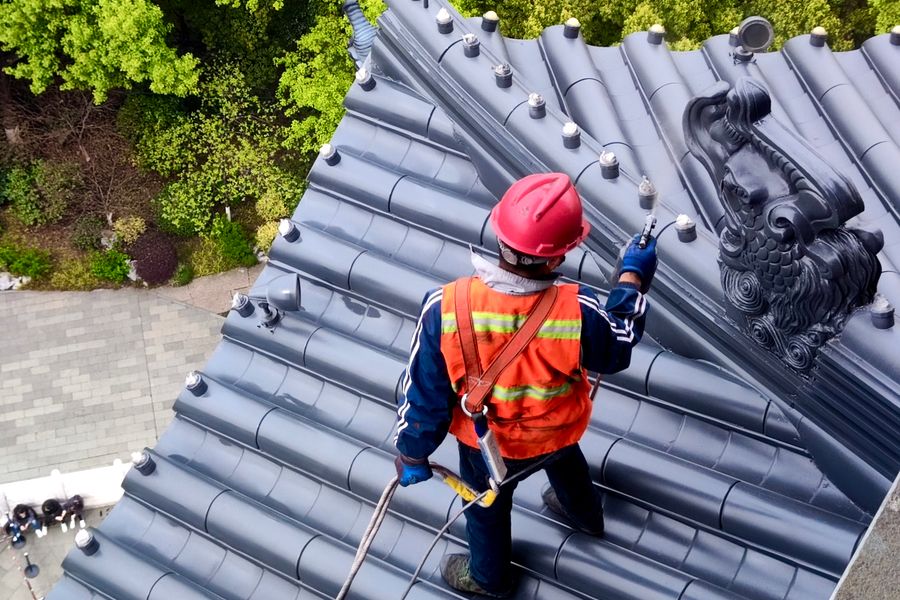
Summer puts a different kind of stress on a roof. Thermal expansion, intense UV exposure, and attic heat buildup slowly degrade materials even when the weather looks calm. A mid-summer check is less about storm damage and more about long-term wear.
Attic ventilation deserves extra attention here. A poorly vented attic in July can hit 150 degrees, which cooks shingles from underneath and shortens their lifespan dramatically. According to This Old House, asphalt shingles typically last 20 to 30 years, while slate and clay can push past a century, and ventilation is one of the biggest factors deciding where your roof lands in that range.
Signs Your Attic Is Working Against Your Roof
Head into the attic on a hot afternoon and pay attention to the air. If it feels like an oven and you can’t find airflow near the soffits or ridge, your roof is aging faster than it should. Look for darkened sheathing, rusted nail heads, or a faint musty smell. These are early signs that heat and moisture are being trapped where they shouldn’t be.
Fixing ventilation is often cheaper than people expect, and it’s one of the single most impactful changes you can make. Adding ridge vents or clearing blocked soffits can add years to the shingles above.
Fall Preparation: Getting Ready for the Hard Months
Fall is prep season. Whatever condition your roof is in going into winter is the condition it has to survive in. This is the inspection where you fix things, not just note them.
Leaves clog gutters. Clogged gutters hold water. Water that can’t drain finds the fascia, soaks it, freezes, and pries up the edge of your roof. The chain reaction is predictable, which is why fall cleanup is non-negotiable. A few hours now prevents ice dam repairs that can run into the thousands.
Some of the most useful Roof Maintenance Tips during autumn focus on preparation rather than repair. Trim back tree branches that overhang the roof, clear every gutter and downspout, check that attic insulation hasn’t shifted, and seal small gaps in flashing before cold weather makes sealant useless.
- Clean gutters fully, including the downspout outlets
- Trim branches within six feet of the roof surface
- Reseal flashing with a roof-grade sealant rated for cold
- Replace any cracked or missing shingles while the weather is mild
- Check attic insulation depth and distribution
- Inspect the chimney cap and crown for cracks
Winter Watch: What You Can Still Do Safely
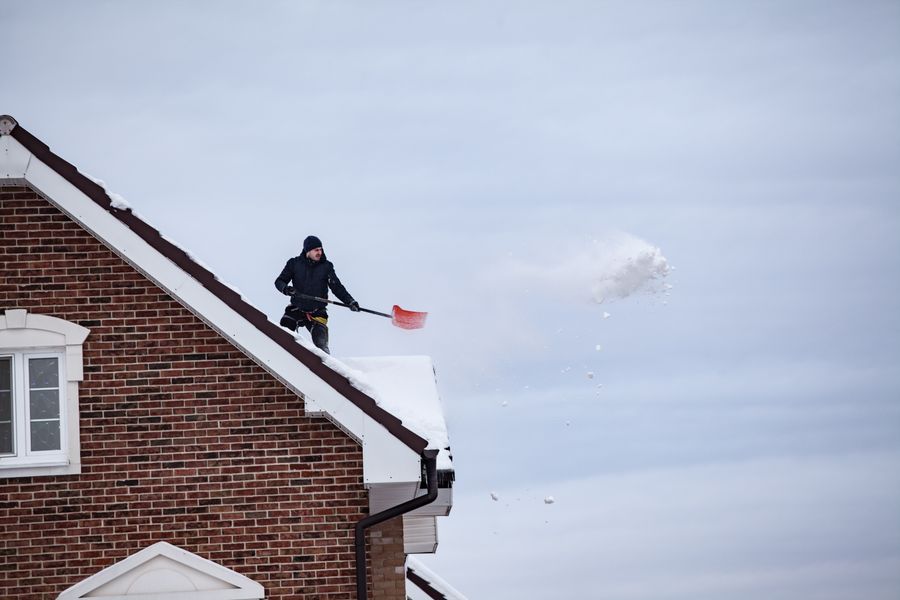
Winter inspection looks different because climbing a snowy roof is a bad idea. But that doesn’t mean the season is hands-off. You can learn a lot from the ground and from inside the house.
Watch for icicles forming along the eaves. They look charming, but they’re often a sign of an ice dam building up behind them, which means melted water is backing up under your shingles. Check the attic after a snowfall for damp spots on the underside of the decking. If you see uneven snow melt patterns on the roof itself, that’s usually a hint that heat is escaping through poor insulation.
Keep an eye on how much snow is accumulating, too. Most roofs handle normal snow loads without issue, but a heavy wet snow followed by more snow can push past design limits. If something significant does go wrong mid-winter, emergency work is more expensive and takes longer to schedule, so understanding how long does a roof replacement take during cold months can help you plan realistically if a full replacement becomes unavoidable.
DIY Inspection vs Hiring a Pro
Homeowners can realistically handle about 70 percent of a seasonal check themselves: visual scans, gutter work, attic observation, and basic debris removal. What they can’t do well is evaluate flashing integrity, assess hidden decking damage, or spot the early stages of structural sag.
A professional inspection every two to three years, layered on top of your own seasonal checks, is usually the best balance. You get the frequency without the full cost of professional visits every six months, and you catch the subtle problems a trained eye finds.
Repair Now or Replace Later: Reading the Signs
At some point, patch repairs stop making sense. Knowing where that line sits saves money and stress. If you’re replacing more than a handful of shingles each year, if leaks keep returning in different spots, or if the roof is pushing past its material’s typical lifespan, replacement starts to look like the smarter investment.
According to SERVPRO, asphalt shingle roofs commonly last between 20 and 30 years, so if yours is approaching that window and showing widespread wear, ongoing repairs are often just delaying the inevitable. Compare the cumulative cost of patches over five years against a replacement that comes with a fresh warranty, and the math frequently favors replacement.
Timing matters here, too. According to ANGI, standard asphalt roofs usually only take one to three days to replace, which means a planned replacement in good weather is a short disruption compared to an emergency job in January. Seasonal inspections are what give you the warning time to plan rather than react.
Conclusion
The homeowners who get the longest life out of their roofs aren’t doing anything exotic. They’re just looking at the right things at the right times, twice a year, with an honest eye about what they can handle themselves and what needs a professional. Spring diagnoses winter damage. Summer checks ventilation and UV wear. Fall prepares for cold. Winter watches from the ground.
Each season reveals problems the others hide, which is why the timing matters more than the frequency. Skipping a season doesn’t just delay a repair; it lets small problems become compound problems, and compound problems become the kind of bill that makes homeowners wish they’d spent an hour with a ladder and a pair of binoculars six months earlier.
Build the rhythm into your calendar the same way you schedule furnace service or smoke detector battery changes. Pick a weekend in April and another in October, put them on repeat, and treat them as non-negotiable. The roof over your head will quietly reward that habit for decades, which is really the whole point of maintenance done on purpose rather than in panic.