
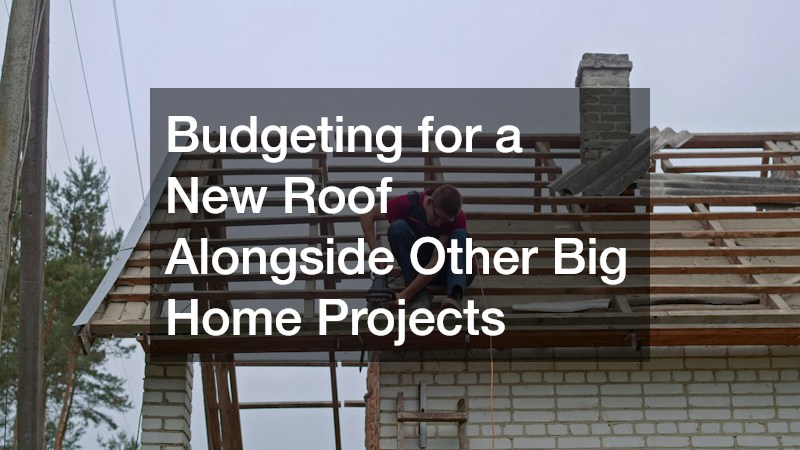
Budgeting for a New Roof Alongside Other Big Home Projects
A failing roof rarely waits for a convenient time to need replacement, and it often shows up alongside other pressing home expenses like an aging HVAC system or an outdated kitchen. Juggling multiple big-ticket projects can feel overwhelming, especially when you are trying to protect your home’s value without draining your savings. The good news is that with a clear plan, realistic timeline, and smart prioritization, you can tackle a new roof and other major repairs without financial whiplash. This guide breaks down how to budget wisely so every dollar works toward a safer, more comfortable home.
Estimate the True Cost of a Roof Replacement
Before you can budget for anything else, you need a realistic number for the roof itself. Costs vary widely based on your home’s size, roof pitch, material choice, and local labor rates, so getting at least three written estimates is essential. Many homeowners are surprised to learn that tear-off, disposal, and decking repairs can add significantly to the base price of materials and installation.
- Asphalt shingles typically cost less upfront but may need replacement sooner than metal or tile
- Steep or complex rooflines increase labor time and overall price
- Permit fees and inspection costs vary by municipality
- Hidden wood rot or structural damage can add unexpected expenses
- Ask contractors to itemize costs so you can compare apples to apples
Rank Your Home Projects by Urgency and Risk

When you have more than one major project competing for funds, safety and damage prevention should take priority over cosmetic upgrades. A roof that is actively leaking or missing shingles poses a greater risk to your home’s structure than a dated bathroom, since water intrusion can lead to mold, rot, and electrical hazards. Make a list of every project under consideration and rank them by what happens if the work is delayed another year.
It also helps to think about which systems are interconnected. For example, if your furnace is already struggling and due for furnace repair, it may make sense to address that before a roof replacement if winter is approaching, since you cannot safely go without heat. Prioritizing this way keeps small problems from becoming emergencies while you save for the bigger-ticket items.
- Rank each project as urgent, important, or optional
- Consider seasonal timing, such as fixing heating before winter
- Factor in insurance implications for storm or water damage
- Think about resale value if you plan to sell within a few years
Build a Realistic Savings Timeline
Once you know roughly what the roof and other projects will cost, work backward to create a savings timeline that fits your income and expenses. Setting up a dedicated home improvement savings account can prevent the temptation to dip into those funds for everyday spending. Even modest automatic transfers each month add up faster than most people expect, especially when paired with windfalls like tax refunds or bonuses.
It is wise to build in a buffer of ten to twenty percent above your estimated costs, since unexpected issues often surface once work begins. If your timeline does not allow you to save the full amount before the roof needs attention, financing options like home equity loans or contractor payment plans can bridge the gap. Just be sure to compare interest rates and terms carefully before committing to any loan.
- Set a specific savings goal with a target completion date
- Automate monthly transfers to a dedicated account
- Build in a financial cushion for surprise repairs
- Compare financing options side by side before signing anything
Compare Quotes From Multiple Contractors
Getting multiple quotes is one of the simplest ways to stretch your home improvement budget further. Reaching out to several home remodeling companies for both your roof and any other planned renovations allows you to compare pricing, timelines, and warranty offerings before making a decision. A lower bid is not always the better deal if it skips important steps like proper ventilation or quality underlayment.
Reading reviews and checking licensing and insurance status protects you from costly mistakes down the road. Ask each contractor how they handle unexpected issues discovered mid-project, since this is often where budgets go off track. A transparent, detailed contract protects both you and the company doing the work.
- Get at least three quotes for major projects
- Verify licensing, insurance, and local reviews
- Ask about warranty coverage for materials and labor
- Request a written contract outlining scope and payment schedule
Sequence Projects to Avoid Redundant Costs
Timing matters just as much as budgeting when you are managing several renovations at once. If you plan to replace your roof and also update gutters, siding, or solar panels, sequencing the work correctly can save you from paying for the same labor twice. Getting the order wrong often means hiring a crew to remove and reinstall equipment, materials, or fixtures that could have been installed just once if the projects had been planned together. The roof should almost always come first. For example, installing solar panels before a roof replacement often means paying to remove and reinstall them later, which can add $1,000 to $3,000 or more depending on the system size. The same logic applies to gutters and downspouts — installing new ones before roofing work risks damage from falling debris, torn-off shingles, or ladders and equipment during the tear-off. Siding is a bit more flexible, but there’s still a smart order to follow. If your siding project includes new fascia or trim work that connects to the roofline, it’s generally more cost-effective to handle that before or during the roofing project rather than after, since roofers may need to adjust flashing or drip edges that tie into those areas. A good rule of thumb: work from the structure outward. Address the roof deck and structural repairs first, then the roofing material itself, followed by attached systems like gutters and solar panels, and finally cosmetic elements like siding or paint. This sequence minimizes rework and ensures each contractor isn’t undoing or working around another’s recent installation.
Communicate your full renovation plans to each contractor so they can advise on the most efficient order of operations. Getting multiple trades talking to each other—even informally—can reveal overlaps you’d otherwise miss until the invoices arrive. Some projects naturally pair well together, such as replacing roofing and gutters in the same season, which can reduce scaffolding or equipment rental costs by sharing a single setup instead of paying for two. Similarly, if you’re planning both a roof replacement and solar panel installation, doing the roof first avoids the cost of removing and reinstalling panels later, which can easily add $1,000 or more to a solar project. Siding and window replacement follow the same logic, since exposed wall cavities make it easier to address flashing and insulation issues once rather than twice. Timing matters beyond shared equipment, too. Interior renovations like plumbing or electrical upgrades should generally happen before cosmetic work such as flooring or painting, since cutting into finished walls or floors to fix hidden issues means redoing work you already paid for. A rough sequence worth discussing with your contractors: structural and exterior work first (roof, siding, foundation), then systems (plumbing, electrical, HVAC), then interior finishes last. Thinking a few steps ahead prevents wasted money and keeps your overall project timeline shorter. It also gives you leverage to negotiate bundled pricing, since contractors are often willing to offer a discount when they know more work is coming their way.
- Replace or repair the roof before adding solar panels — removing panels later to fix roofing issues can cost $1,000–$3,000 in extra labor
- Combine gutter and roof work to save on equipment costs, since both often require the same scaffolding or lift rental
- Finish foundation, siding, or framing repairs before re-roofing so structural shifts don’t damage new materials
- Schedule exterior painting after major structural repairs and roofing, since ladders and equipment can chip fresh paint
- Tackle driveway or hardscape projects last to avoid damage from delivery trucks and construction debris
- Share your full project list with contractors for better planning — many offer discounts for bundling multiple jobs in one visit
Budgeting for a new roof alongside other major home projects takes patience, research, and a willingness to prioritize based on risk rather than preference alone. Start by getting accurate estimates, ranking your projects, and building a savings plan with room for surprises. With a clear strategy in place, you can protect your home’s safety and value without feeling financially overextended. Take the first step today by requesting quotes and mapping out which project truly needs your attention first.