
Comparing Types of Metal Roofing Materials for Residential Properties
- Metal roofing offers exceptional durability, with most materials lasting 40–70 years or longer, making it a strong long-term investment.
- Steel roofing is the most popular option due to its affordability, strength, and wide range of styles, while aluminum excels in corrosion resistance.
- Copper and zinc roofing provide premium longevity, low maintenance, and unique aesthetics, but come with higher upfront costs.
- Climate plays a major role in material selection, with aluminum ideal for coastal areas and steel preferred for storm-prone regions.
- Although initial costs can be higher than traditional roofing, metal roofs often deliver better long-term value through reduced maintenance and energy savings.
- Choosing the right material requires balancing budget, climate conditions, maintenance expectations, and architectural style.
Metal roofing has become one of the fastest-growing residential roofing choices due to its durability, energy efficiency, and modern appeal. Once associated mainly with commercial buildings, metal roofs are now widely used in homes because of technological improvements and aesthetic flexibility. Homeowners are increasingly drawn to metal roofing materials that provide long-term protection while reducing maintenance costs.
However, choosing the right metal roofing material can be challenging because each option offers unique advantages, costs, and performance characteristics. Factors such as climate, budget, installation complexity, and architectural style all influence the best choice. Understanding how different materials compare can help homeowners make informed decisions and avoid costly mistakes.
This guide explores the most popular metal roofing materials used in residential homes, compares their benefits and drawbacks, and provides practical insights to help you choose the best option for your property.
Why Metal Roofing Is Gaining Popularity Among Homeowners
Metal roofing has seen a surge in residential demand because it delivers exceptional longevity and strong resistance against harsh weather conditions. Unlike traditional asphalt shingles that typically last 15–25 years, metal roofing can last 40–70 years or more with proper maintenance. This durability makes metal roofs a cost-effective investment over time, even if upfront costs are higher.
Another major reason for its popularity is energy efficiency. Metal roofs reflect solar heat, helping reduce indoor temperatures and lowering cooling expenses, particularly in warm climates. Many modern metal roofing systems also feature advanced coatings that improve thermal performance and corrosion resistance.
Additionally, homeowners appreciate the design versatility of metal roofing. Available in various colors, textures, and panel styles, metal roofing can mimic shingles, slate, or tile while providing superior structural strength. Its lightweight nature also reduces structural stress on homes, making it suitable for both new construction and reroofing projects.
Key benefits of metal roofing
- Long lifespan and durability
- Fire resistance and weather protection
- Energy efficiency and cooling benefits
- Lightweight yet strong structure
- Eco-friendly and recyclable materials
Types of Metal Roofing Materials for Houses
Choosing the right metal roofing material begins with understanding the available options and their unique characteristics. Each metal type differs in terms of price, weight, durability, corrosion resistance, and appearance. These differences significantly impact installation costs, maintenance requirements, and long-term performance.
The most commonly used metal roofing materials include steel, aluminum, copper, zinc, and tin. While all metal roofs share core advantages like longevity and strength, their individual properties determine suitability for specific environments and budgets. For example, coastal homes often benefit from aluminum’s corrosion resistance, while high-end properties may favor copper’s distinctive appearance.
When comparing these materials, homeowners should consider climate exposure, aesthetic goals, and expected lifespan. Installation complexity and compatibility with roofing structures are also essential factors that influence material selection and overall project success.
Common metal roofing materials
- Steel roofing
- Aluminum roofing
- Copper roofing
- Zinc roofing
- Tin roofing
Steel Roofing: The Most Popular Choice
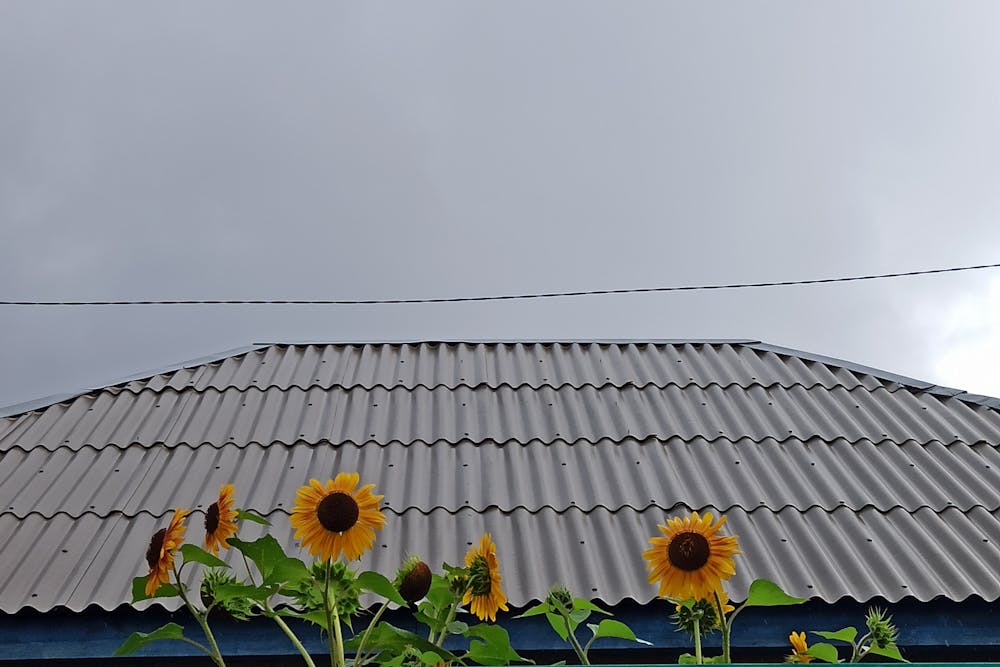
Steel roofing is widely regarded as the most common metal roofing material due to its affordability and strength. It is typically coated with zinc or aluminum layers to prevent rust and extend durability. Variations such as galvanized steel and Galvalume steel offer enhanced corrosion protection, making them suitable for diverse climates.
One of steel’s greatest advantages is its balance between cost and performance. It provides excellent resistance to impact, fire, and extreme weather conditions while remaining relatively budget-friendly. Steel roofing panels are also available in multiple styles, including standing seam and corrugated designs, allowing homeowners to customize aesthetics.
However, steel roofing can be vulnerable to corrosion if protective coatings deteriorate over time. Maintenance and repainting may be required to preserve its protective layer, particularly in humid or coastal environments. Despite this drawback, steel remains a versatile and reliable option for many residential roofing projects.
Pros
- Affordable compared to premium metals
- High strength and durability
- Wide range of styles and finishes
- Excellent weather resistance
Cons
- Potential rust if coatings fail
- Requires occasional maintenance
Aluminum Roofing: Lightweight and Corrosion Resistant
Aluminum roofing is highly valued for its lightweight structure and exceptional resistance to corrosion. This makes it a popular choice for coastal homes where salt exposure can accelerate metal deterioration. Aluminum naturally forms a protective oxide layer that prevents rust, reducing long-term maintenance needs.
Another advantage is its ease of installation. Aluminum’s lightweight properties reduce structural load and simplify handling during roofing projects. It also reflects heat effectively, contributing to energy efficiency and improved indoor comfort. Homeowners in hot climates often benefit from aluminum roofing’s cooling properties.
Despite its advantages, aluminum roofing tends to be more expensive than steel and may dent more easily due to its softer composition. However, its corrosion resistance and longevity often justify the higher cost, especially in moisture-prone environments.
Pros
- Excellent corrosion resistance
- Lightweight and easy installation
- Energy-efficient heat reflection
- Ideal for coastal regions
Cons
- Higher cost than steel
- Softer metal prone to denting
Copper Roofing: Premium Beauty and Longevity
Copper roofing is considered one of the most premium metal roofing options due to its unmatched durability and distinctive appearance. Over time, copper develops a natural patina that enhances its aesthetic appeal while providing protective corrosion resistance. This evolving finish makes copper roofs a standout architectural feature.
Beyond aesthetics, copper roofing offers remarkable longevity, often lasting more than a century with minimal maintenance. Its resistance to corrosion, fire, and extreme weather makes it one of the most durable roofing materials available. Additionally, copper is lightweight and recyclable, contributing to sustainability goals.
However, copper roofing is significantly more expensive than other metal options. Installation requires specialized expertise, which can further increase costs. Despite these challenges, homeowners seeking luxury design and long-term performance often find copper roofing a worthwhile investment.
Pros
- Exceptional lifespan
- Unique and attractive patina
- Low maintenance requirements
- Highly corrosion-resistant
Cons
- Very high cost
- Requires specialized installation
Zinc Roofing: Self-Healing and Sustainable
Zinc roofing has gained popularity for its sustainability and unique self-healing properties. When scratched, zinc forms a protective layer that repairs surface damage and prevents corrosion. This natural ability reduces maintenance requirements and extends the roof’s lifespan significantly.
In addition to durability, zinc roofing offers excellent environmental benefits. It is highly recyclable and requires less energy during production compared to other metals. Zinc roofing also provides modern aesthetics with a sleek matte finish that complements contemporary architectural styles.
However, zinc roofing is relatively expensive and less widely available than steel or aluminum. Installation requires specialized knowledge, and improper handling may lead to aesthetic inconsistencies. Despite these considerations, zinc roofing remains an attractive option for homeowners prioritizing sustainability and longevity.
Pros
- Self-healing corrosion protection
- Long lifespan
- Eco-friendly and recyclable
- Modern aesthetic appeal
Cons
- Higher installation cost
- Limited availability
Tin Roofing: Traditional but Less Common Today
Tin roofing was historically one of the earliest metal roofing materials used in residential construction. While pure tin roofing is rarely used today, the term is often associated with steel roofing coated with tin or similar protective metals. Modern tin roofing alternatives still provide durability and corrosion resistance.
One advantage of tin roofing is its affordability compared to premium metals like copper and zinc. It is also lightweight and relatively easy to install, making it suitable for budget-conscious homeowners. Additionally, tin roofing can be painted or coated to enhance aesthetics and improve longevity.
However, tin roofing has largely been replaced by more advanced materials such as galvanized steel and aluminum. Its corrosion resistance may be lower, and maintenance requirements can be higher. Homeowners considering tin roofing should carefully evaluate modern alternatives for improved performance.
Pros
- Budget-friendly option
- Lightweight construction
- Easy installation
Cons
- Less durable than modern metals
- Requires maintenance and protective coatings
Comparing Metal Roofing Materials: Key Factors to Consider
Selecting the right metal roofing material requires careful comparison of performance characteristics and practical considerations. Homeowners must evaluate factors such as lifespan, cost, maintenance, aesthetics, and climate suitability. Understanding how each material performs under different conditions helps prevent costly replacements or repairs.
Durability and corrosion resistance are critical factors, especially in areas exposed to moisture or salt air. Energy efficiency and insulation performance also influence indoor comfort and utility costs. Additionally, installation complexity and the availability of skilled contractors can affect project timelines and expenses.
By comparing materials based on these key factors, homeowners can identify the best option that balances cost, longevity, and visual appeal. This approach ensures a roofing investment that meets both functional and aesthetic goals.
Comparison overview
- Steel: Affordable and strong
- Aluminum: Corrosion-resistant and lightweight
- Copper: Premium durability and appearance
- Zinc: Sustainable and self-healing
- Tin: Budget-friendly but less durable
Which Metal Roofing Material Is Best for Different Climates?
Climate plays a major role in determining the most suitable metal roofing material for residential homes. Different metals react uniquely to environmental conditions such as humidity, salt exposure, temperature fluctuations, and heavy rainfall. Choosing a climate-appropriate material can significantly extend roof lifespan and reduce maintenance costs.
In coastal regions, aluminum is often preferred due to its superior corrosion resistance. Steel roofing may perform well in moderate climates but requires protective coatings in humid environments. Copper and zinc excel in diverse climates due to their natural corrosion resistance and durability.
Homeowners in hot climates may benefit from metal roofing materials with reflective coatings that improve energy efficiency. Meanwhile, regions prone to storms or hail may require stronger materials like steel for enhanced impact resistance.
Climate-based recommendations
- Coastal areas: Aluminum or copper
- Hot climates: Aluminum with reflective coatings
- Cold climates: Steel with proper insulation
- Humid regions: Zinc or aluminum
- Storm-prone areas: Steel roofing
Cost Comparison: Budget vs Long-Term Value
Cost is one of the most influential factors when comparing metal roofing materials. While upfront expenses vary significantly, long-term value often depends on lifespan, maintenance requirements, and energy savings. Homeowners should evaluate both initial installation costs and lifetime performance.
Steel roofing typically offers the lowest upfront cost, making it a popular entry-level option. Aluminum and zinc fall into the mid-to-high price range due to their corrosion resistance and longevity. Copper roofing represents the premium tier with the highest installation cost but unmatched lifespan.
Investing in higher-quality metal roofing materials may reduce repair and replacement expenses over time. Additionally, energy efficiency benefits and increased property value can offset initial costs, making metal roofing a financially sound long-term investment.
Approximate cost ranking
- Lowest: Steel
- Mid-range: Aluminum and zinc
- Highest: Copper
Maintenance and Longevity Considerations
Metal roofing materials generally require less maintenance than traditional roofing systems, but maintenance needs vary depending on the metal type. Understanding these requirements helps homeowners preserve roof performance and avoid premature deterioration.
Steel roofing may require periodic inspections and repainting to maintain protective coatings. Aluminum roofing typically needs minimal maintenance due to its corrosion resistance. Copper and zinc roofs are among the lowest maintenance options because of their natural protective properties.
Longevity also varies significantly across materials. Copper roofing can last over 100 years, while steel and aluminum roofs typically last 40–70 years. Proper installation and routine inspections play a crucial role in maximizing the lifespan of any metal roofing system.
Maintenance tips
- Schedule periodic roof inspections
- Clean debris and drainage systems
- Check protective coatings and fasteners
- Address scratches or damage promptly
How to Choose the Right Metal Roofing Material for Your Home
Selecting the best metal roofing material involves balancing performance, aesthetics, budget, and environmental factors. Homeowners should start by identifying their primary priorities, whether durability, cost savings, or visual appeal. Consulting roofing professionals can also provide valuable insights based on structural requirements and local climate conditions.
Evaluating long-term value is equally important. While premium metals like copper offer unmatched longevity, mid-range options such as aluminum and steel may provide better cost efficiency for many homeowners. Sustainability considerations, including recyclability and energy efficiency, can also influence material selection.
Ultimately, the right metal roofing material is one that meets both functional and design expectations while providing reliable protection for decades. Careful research and professional guidance ensure a roofing investment that enhances property value and performance.
Decision checklist
- Assess climate conditions
- Determine budget and lifespan goals
- Evaluate maintenance expectations
- Consider architectural style
- Consult roofing professionals
Conclusion
Metal roofing materials offer a versatile and durable solution for residential homes, providing long-term protection and modern aesthetic appeal. Each metal type—steel, aluminum, copper, zinc, and tin—delivers unique advantages that cater to different budgets, climates, and design preferences. Understanding these differences is essential for making an informed roofing decision.
Steel roofing remains a cost-effective and durable choice, while aluminum excels in corrosion resistance and lightweight installation. Copper and zinc offer premium longevity and sustainability benefits, making them ideal for homeowners seeking long-term value. Tin roofing, though less common today, still provides an affordable alternative for certain projects.
By comparing performance characteristics, costs, maintenance requirements, and climate suitability, homeowners can confidently select the best metal roofing material for their needs. A well-chosen metal roof not only enhances home protection but also improves energy efficiency and property value for years to come.